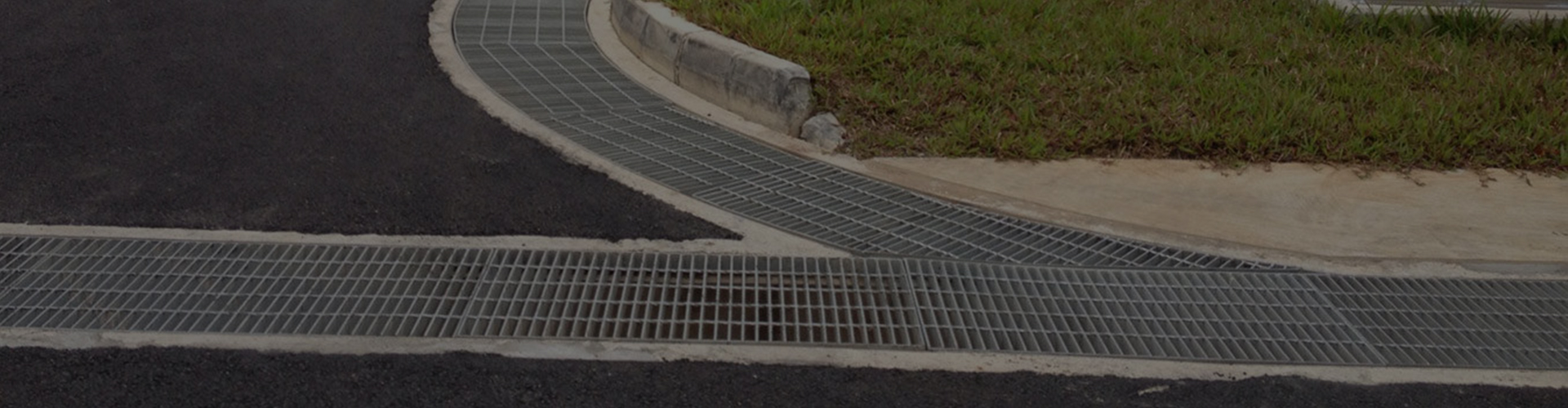
Steel Grating
Steel grating is an open-grid flooring and access solution made from load-bearing bars and cross bars. It is widely used for industrial platforms, walkways, flooring, stair treads, trench covers, drainage channels, equipment access areas, and elevated maintenance structures.
At Canri , steel grating can be selected by material, surface profile, load requirement, manufacturing method, and application. Standard panels and drawing-based fabricated panels are available for industrial, infrastructure, commercial, and project-based requirements.
Whether you need corrosion-resistant grating for an outdoor walkway, serrated grating for a wet platform, heavy-duty panels for vehicle access, or custom-fabricated grating with cut-outs and frames, this page helps you identify the right starting point.
Steel Grating by Material
Galvanized Steel Grating
Galvanized Steel Grating is commonly selected for outdoor industrial platforms, walkways, drainage covers, stair treads, and factory access areas. The hot-dip galvanized finish helps improve corrosion resistance in wet, humid, and general industrial environments.
It is a practical choice for power plants, refineries, ports, warehouses, wastewater facilities, and public infrastructure projects.
Stainless Steel Grating
Stainless Steel Grating is suitable for corrosive, wet, coastal, food-processing, chemical, pharmaceutical, and washdown environments. It is often selected where long-term corrosion resistance, cleanliness, and material stability are more important than initial cost.
Material grade, finish, surface profile, and fabrication details should be selected according to chemical exposure, chloride conditions, cleaning procedures, and project requirements.
Mild Steel Grating
Mild Steel Grating is a cost-effective solution for indoor platforms, factory floors, equipment access areas, and projects where the customer will apply a separate coating system after installation.
It can be supplied in plain, serrated, welded, or fabricated configurations according to load, span, and application requirements.
Steel Grating by Surface and Safety Requirement
Flat Bar Steel Grating
Flat bar grating has smooth bearing bars and is widely used for dry indoor flooring, general factory platforms, mezzanines, and pedestrian walkways. It is suitable where normal traction is sufficient and a cost-effective solution is required.
Explore Flat Bar Steel Grating
Serrated Bar Steel Grating
Serrated bar grating has notched bearing bars that provide improved traction. It is recommended for outdoor walkways, stair treads, oily platforms, wet processing areas, offshore decks, wastewater facilities, and other locations where slip resistance is important.
Explore Serrated Bar Steel Grating
I Bar Steel Grating
I bar grating uses I-shaped bearing bars to reduce panel weight while maintaining structural performance. It can be considered for elevated platforms, access walkways, lightweight structures, and applications where handling weight is an important factor.
Explore I Bar Steel Grating
Steel Grating by Load and Construction Type
Electro Forged Steel Grating
Electro Forged Steel Grating is one of the most common grating structures for industrial flooring, walkways, platforms, stair treads, and drainage covers. It is made by permanently joining bearing bars and cross bars to form a rigid open-grid panel.
It is suitable for standard industrial applications where stable quality, consistent mesh spacing, and reliable load performance are required.
Heavy Duty Steel Grating
Heavy Duty Steel Grating is designed for higher load requirements, including vehicle access, forklift routes, loading zones, mining facilities, drainage covers, and industrial floors exposed to concentrated loads.
Selection should be based on clear span, bearing bar direction, wheel load, concentrated load, deflection requirement, and support structure.
Steel Grating by Application
Industrial Floor Grating
Steel Floor Grating provides a durable, open-grid walking surface for factories, processing plants, power facilities, equipment rooms, and elevated work areas. It allows drainage, ventilation, light transmission, and easier cleaning compared with solid plate flooring.
Walkway Grating
Galvanized Steel Walkway Grating is used for industrial access routes, outdoor paths, maintenance walkways, ports, utility corridors, gardens, and elevated structures. Material, surface type, and finish should be selected according to weather exposure, slip risk, and maintenance requirements.
Platform Steel Grating
Platform Steel Grating is designed for equipment access, machinery maintenance, process platforms, pipe racks, industrial structures, and elevated work decks. Buyers should confirm panel size, support span, load condition, surface type, and fastening method before ordering.
Trench Drain Grating
Trench Drain Grating is used to cover drainage channels while allowing water, debris, and process liquids to pass through. The correct design depends on trench dimensions, frame type, pedestrian or vehicle load, drainage capacity, and corrosion environment.
Steel Stair Treads
Steel Stair Treads are commonly supplied with serrated surfaces for improved traction. They can be used in industrial stairs, emergency exits, maintenance access systems, offshore structures, and public infrastructure projects.
Choose our professional steel grating manufacturer for top-quality steel bar grating and diverse metal grating products.

How to Select Steel Grating for Your Project
The right grating specification depends on more than panel dimensions. Before requesting a quote, consider the following points.
1. Load and Support Span
Load capacity is determined by the bearing bar size, bearing bar spacing, cross bar spacing, support span, panel direction, and load type.
Please provide:
Clear support span
Bearing bar direction
Uniform load requirement
Concentrated load requirement
Pedestrian, trolley, forklift, or vehicle traffic
Required deflection limit
Support beam layout
For high-load or vehicle-access projects, heavy-duty grating should be selected only after confirming the wheel load and support conditions.
2. Environment and Corrosion Protection
The installation environment helps determine the best material and finish.
| Installation Environment | Recommended Starting Point |
| Dry indoor factory area | Mild steel or painted grating |
| Outdoor platform or walkway | Hot-dip galvanized steel grating |
| Wet, oily, or muddy access area | Serrated galvanized grating |
| Food processing or washdown area | Stainless steel grating |
| Coastal or chloride-exposed environment | Stainless steel or project-specific corrosion protection |
| Chemical processing area | Material and finish to be selected according to chemical exposure |
3. Surface and Slip Resistance
Choose plain bar grating for dry environments where standard pedestrian traction is sufficient. Choose serrated grating where rain, water, oil, grease, mud, or process liquids may create a slip hazard.
Stair treads, outdoor platforms, wastewater facilities, offshore structures, and oily processing areas commonly require serrated surfaces.
4. Panel Fabrication Requirements
Many projects require factory-fabricated panels rather than standard rectangular grating.
Available fabrication discussions include:
Pipe cut-outs
Column openings
Notches and angled corners
Circular openings
Curved panels
Custom panel sizes
Toe plates and kick plates
Stair nosing
Access hatch panels
Frames and support angles
Hinged or chained grating panels
Explore Custom Steel Grating Fabrication
Installation and Fastening Method
Steel grating can be permanently fixed or designed to be removable for maintenance access.
Common installation options include:
Welded fixing for permanent panels
Saddle clips for removable panels
G clips for top-side installation
J clips for selected close-mesh arrangements
Bolted fixing for access panels
Weld lugs for removable maintenance covers
The fastening method should be selected according to support beam size, access below the grating, corrosion environment, maintenance frequency, and load condition.
Project Fabrication and Safety Options
Steel grating can be supplied as part of a wider industrial access solution.
Edge Banding
Trim banding provides a finished edge around the grating panel. Load banding can be added where panel edges may receive higher concentrated loads or repeated impact.
Toe Plates and Kick Plates
Toe plates can be added to elevated platforms, maintenance walkways, and access decks to help reduce the risk of tools or materials falling from the edge.
Stair Nosing
Serrated stair treads can include nosing to improve visibility and traction at the leading edge of each step.
Handrails and Railings
For elevated walkways, platforms, stairs, and access systems, grating can be paired with compatible safety railings.
Explore Handrail and Railing Solutions
Canri supports standard and custom steel grating requirements for industrial flooring, walkways, platforms, stair treads, drainage covers, and project-specific access systems.
Contact Canri Wire Mesh for steel grating quotations, technical support, and custom fabrication discussions.