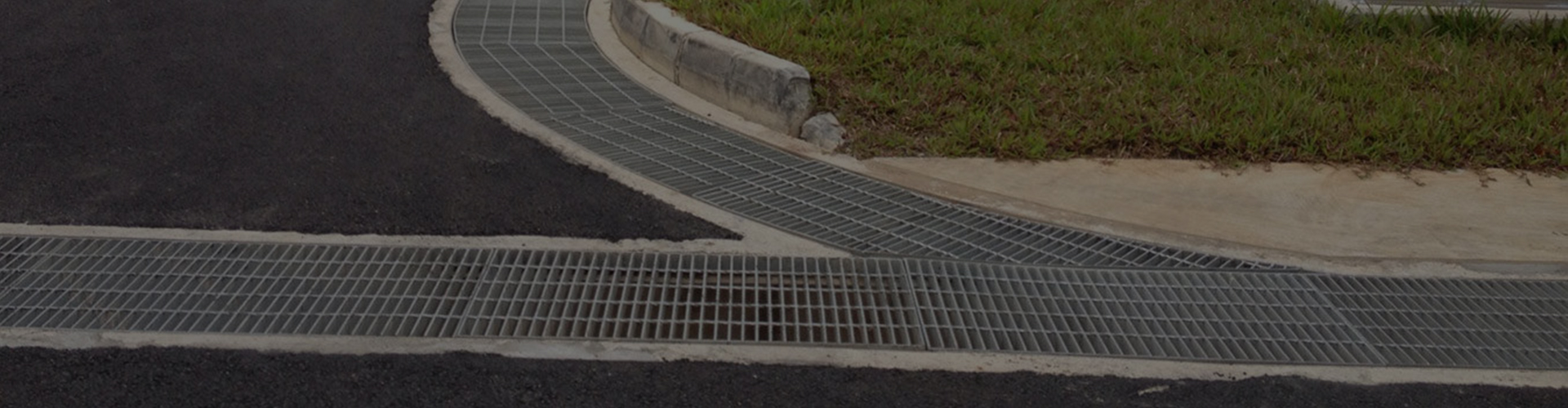
High Load-Bearing Capacity: The flat bar surface provides excellent strength, making it suitable for heavy-duty applications.
Wide range of application. The plain steel grating is the most widely used grating type, which can be used in almost all applications.
Lightweight and economical. The aluminum plain steel grating is lightweight and cost less than other material gratings.
Easy Installation and Low Maintenance:Modular design allows quick assembly, and the grating requires minimal upkeep.
Applications and Selection Considerations
| Application | When plain grating may suit your project | What to confirm |
|---|
| Indoor industrial platforms | Smooth-top flooring where the assessed slip risk is acceptable | Support spacing, equipment loads, cut-outs and fastening |
| Covered access walkways | Routine pedestrian access without persistent slippery contamination | Foot traffic, footwear, openings and maintenance conditions |
| Drainage covers | Open-grid covers where drainage and access requirements are coordinated | Channel width, frame seating, clear openings and traffic loads |
| Stair treads | Projects specifically requiring plain-top treads | Slip assessment, nosing, tread dimensions and fixing details |
| Vehicle-access covers | Only with a configuration designed for the actual traffic | Wheel loads, contact area, span and support structure |
| Fencing and screening | Open-grid infill without flooring requirements | Frame dimensions, fixing points and applicable lateral loads |
Wet, oily or frequently washed areas require a separate slip-risk assessment. Consider serrated grating or another suitable surface where additional traction is required.
Plain vs. Serrated Steel Grating
| Selection factor | Plain grating |
|---|
| Top edge | Smooth, without serrations |
| Typical selection reason | Plain-top surface required by the project |
| Wet or oily conditions | Assess carefully; do not assume adequate slip resistance |
| Cleaning | No serration recesses along the bar top |
| Load selection | Use the relevant plain-bar load data |
| Corrosion protection | Select separately from the top profile |
A serrated surface does not automatically provide a certified slip rating. Likewise, a plain surface does not determine whether a panel is light-duty or heavy-duty
How to Select Bar Size, Openings and Support Span
Start with the loading: Identify pedestrian, trolley, equipment or vehicle loads rather than using a general “heavy-duty” description.
Measure the clear span: Provide the unsupported distance between supporting members, not just the panel length.
Show the bearing direction: The load-bearing bars must span between the intended supports.
Check the section: Confirm bearing-bar height, thickness, material grade and the applicable load data.
Define the openings: State both pitch and clear gap, especially where small wheels, footwear or falling objects are a concern.
Frequently Asked Questions
Does plain steel grating mean ungalvanised grating?
No. On this page, plain describes the smooth top edge of the bearing bars. Hot-dip galvanised plain grating combines a non-serrated surface with a zinc coating.
Is flat bar grating always plain?
No. Flat bar describes the rectangular bearing-bar section. Its top edge can be plain or serrated. This page focuses on the plain-top version.
Can plain grating be used outdoors?
It may be suitable where the project’s corrosion and slip requirements are satisfied. Assess rain, contamination, cleaning and pedestrian use before choosing the surface.
Does a thicker bar automatically support vehicles?
No. Vehicle suitability depends on the section, spacing, clear span, wheel loading and support arrangement. A panel should not be selected for traffic solely by its thickness.