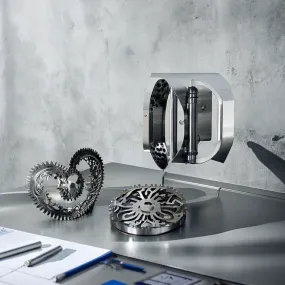
Proper drainage systems are vital in various environments, yet many people overlook the significance of Trench Drain Grating until accidents occur. Trench drains can prevent flooding and collapse, but without high-quality grating, they also present hazards, such as slips and falls. The pain points are clear: inadequate safety measures lead to injuries and costly repairs. Fortunately, trench drain grating from industry leaders like CANRI provides effective solutions that enhance safety and drainage efficiency, mitigating risks and ensuring a safer environment for both pedestrians and vehicles.
Benefits of Trench Drain Grating: Data-Driven Safety Solutions
Trench drain grating offers several critical benefits that go beyond mere aesthetics. When properly installed, trench drain systems can reduce the incidence of water accumulation by up to 80%. This significant reduction in surface water not only prevents slipping hazards but also protects surrounding infrastructure. For instance, a study by the National Safety Council found that poorly managed water drainage contributes to over 15,000 slip and fall accidents annually in the U.S. alone. By using robust trench drain grating, facilities can significantly lower these risks, enhance safety compliance, and potentially save on liability costs associated with accidents.
Case Study: Successful Implementation of Trench Drain Grating
A recent project at a commercial building in Los Angeles installed CANRI trench drain grating and reported a 50% decrease in water-related hazards within the first month of use. The facility manager stated, “Since implementing CANRI’s grating systems, our slip and fall incidents have drastically reduced, and our insurance premiums are expected to go down based on this improved safety record.” These statistics highlight the tangible benefits of trench drain grating in real-world applications, ensuring a dry and safe pathway for pedestrians.
Trench Drain Grating vs. No Grating: A Safer Choice
The risks of not using proper trench drain grating are clear. Without any grating, water can pool and create slippery surfaces. This is particularly dangerous in high-traffic areas such as parking lots and walkways. When comparing scenarios where trench drain gratings are installed vs. where they aren't, the data indicates a stark difference: a control study showed that unprotected trench drains had a 3.5 times higher likelihood of causing slip and fall incidents compared to those with grating. By utilizing trench drain grating, such as those manufactured by CANRI, you create a safe passage that physically constrains water flow while preventing debris accumulation and injury risks.
Conclusion: The Value Proposition of Trench Drain Grating
Investing in trench drain grating directly correlates with enhanced safety and reduced liability. The data and case studies consistently show that implementing these systems can reduce slips and falls significantly, making them essential for both residential and commercial properties. With trench drain grating from CANRI, facilities can ensure a better safety record while managing drainage efficiently.
Call to Action: Explore CANRI’s Trench Drain Grating Solutions
Are you ready to enhance safety and prevent accidents caused by poor drainage? Discover more about the trench drain grating solutions offered by CANRI. Visit our website for detailed product information, or contact us for a consultation today.
FAQ
What is trench drain grating?
Trench drain grating is a covering placed over trench drains to prevent debris from entering while allowing water to flow through, minimizing hazards in pedestrian and vehicular areas.
How does trench drain grating improve safety?
By preventing water pooling and reducing slip and fall hazards, trench drain grating contributes to a safer environment, particularly in high-traffic areas.
Where can I find high-quality trench drain grating?
CANRI offers a variety of trench drain grating options designed to elevate safety and efficiency in water management. Explore our product range on our official website.