Replacing a drainage cover in existing pavement is difficult because I must work inside a confined, load-bearing pavement system while preserving drainage flow, protecting surrounding asphalt or concrete, matching the finished grade, and compacting backfill around the structure. The work usually follows this sequence: assess the pavement and drainage structure, saw-cut the surface, excavate carefully, adjust or rebuild the frame, restore support, compact backfill, and reinstate the pavement.
Key Takeaways
- Existing pavement elevations, hidden voids, and bonded edges make drainage cover replacement more complex than a simple grate exchange.
- A successful replacement must maintain inlet flow, structural support, traffic loading capacity, and a flush finished surface.
- The correct repair may involve only the cover, the frame and grate, the catch basin, or surrounding pavement reconstruction.
- Saw-cut geometry, lift thickness, compaction, joint sealing, and final elevation control determine the quality of the pavement interface.
- Temporary drainage and traffic control prevent flooding, unsafe access, and additional pavement damage during construction.
Why Drainage Cover Replacement Is Difficult in Existing Pavements
When I replace a drainage cover in existing asphalt pavement or concrete pavement, I am not working on an isolated metal component. The cover transfers wheel loads into the frame, frame support, surrounding pavement, aggregate base, and subgrade. If one layer has settled, cracked, softened, or lost contact, a new cover can remain unstable even when the replacement product itself is correctly sized.
Existing pavement also limits access. The excavation is usually narrow, the frame may be bonded to asphalt or concrete, and the structure can contain loose material or voids that are not visible from the surface. Live traffic adds repeated impact loads before the new pavement has developed sufficient strength, while nearby utilities, pipes, and reinforcing steel can restrict excavation depth and equipment movement.
Water makes the problem more serious. A leaking frame joint, disconnected pipe, blocked outlet, or open void can allow stormwater to enter the base or subgrade. Over time, water intrusion may produce cracking, settlement, rutting, pumping, edge breakup, and loss of aggregate interlock around the drainage structure.
How Drainage Structures Cause Pavement Failure
A drainage structure creates a discontinuity in the pavement. The surrounding asphalt or concrete is relatively continuous, but the frame and basin are rigid or differently supported. If the structure settles while the pavement remains stable, the cover becomes low and collects water. If the pavement settles around a stable structure, the frame becomes high and creates an impact point for vehicles.
Water can also bypass the inlet instead of entering through the grate. This occurs when the finished pavement slopes incorrectly, the inlet elevation is too high, the frame is not sealed, or the surrounding backfill contains unfilled voids. The result may be ponding at the surface, erosion beneath the pavement, or repeated settlement after each repair.
For this reason, I inspect more than the visible cover. I check the frame, catch basin walls, benching, outlet pipe, surrounding base, subgrade condition, and the pavement transition in every direction. A replacement cover cannot correct a failed structure or unstable foundation by itself.
!
What I Inspect Before Replacing a Drainage Cover
Before selecting a replacement, I record the existing opening dimensions, frame type, cover thickness, bearing surfaces, grate orientation, and load requirements. I also measure the relationship between the current frame and the surrounding pavement, because a cover that fits the opening may still be unsuitable for the traffic class or finished elevation.
The pavement assessment includes asphalt or concrete thickness, visible cracks, previous patches, edge raveling, settlement, rutting, and signs of moisture below the surface. I examine whether the aggregate base is intact or contaminated with fine soil, and I look for soft subgrade that could continue moving after the repair.
The drainage inspection focuses on inlet flow and pipe condition. I confirm that water can enter the structure, that the outlet is open, and that the pipe connection has not separated. If the catch basin is filled with sediment or the outlet is damaged, replacing only the grate may leave the primary drainage problem unresolved.
| Condition found during inspection |
Appropriate repair direction |
| Cover is damaged, but frame and support remain stable |
Replace the cover only |
| Frame is distorted, corroded, loose, or incorrectly sized |
Replace the frame and grate |
| Catch basin walls, benching, or outlet are damaged |
Rebuild or rehabilitate the drainage structure |
| Pavement has extensive settlement or cracking around the inlet |
Reconstruct the surrounding pavement and support layers |
| Structure is sound but slightly below finished grade |
Consider manhole cover adjustment in asphalt pavement |
Drainage Cover Replacement in Existing Pavements: The Work Sequence
1. Confirm the repair scope and traffic requirements
I begin by deciding whether the job is a cover replacement, catch basin frame and grate replacement, manhole adjustment, or drainage structure reconstruction. This decision depends on structural condition, not only on the appearance of the metal. I also identify vehicle types, wheel paths, expected loading, pedestrian exposure, and the required drainage cover load rating.
Traffic control must be planned before pavement removal begins. Cones, barriers, steel plates, temporary ramps, flaggers, or lane closures may be required depending on road speed and traffic volume. A repair that leaves an open excavation or unstable temporary cover in an active lane creates a separate safety and liability problem.
2. Maintain temporary drainage continuity
I determine how stormwater will be managed while the inlet is open. Temporary pumps, bypass hoses, sediment controls, diversion channels, or a secured temporary grate may be necessary during rainfall or when the drainage structure serves a large paved area.
Temporary drainage matters because water entering an unprotected excavation can loosen the subgrade, wash fines into the basin, and undermine the pavement edges. The inlet should not be blocked without confirming where runoff will go. If construction occurs before resurfacing, I also check whether nearby low points could direct water toward the work area.
3. Saw-cut the pavement around the structure
I use controlled saw cutting rather than breaking the pavement outward with uncontrolled impact. The cut should create a defined repair boundary with sufficient width to remove damaged material and provide support for the new patch. In asphalt, a rectangular or square cut is generally easier to compact and seal than an irregular broken edge.
The cut must avoid damaging the frame, basin walls, utilities, and sound pavement outside the repair zone. For concrete pavement, I consider slab thickness, reinforcement, dowels, joint location, and the risk of transferring cracking from the opening into the remaining slab. The final repair geometry should be selected from the actual pavement condition rather than a fixed patch size.
4. Excavate and expose the structure
I remove the pavement and base material in controlled layers. The excavation should expose the frame bearing area and enough surrounding material to determine whether the support is intact. Hidden voids are common around old structures, especially where water has carried fine particles away from the aggregate base.
Excavated material must be separated according to condition. Clean reusable aggregate may be retained if the project specification permits it, while wet, contaminated, or weak material should not be placed back around the frame. I also inspect for pipe disconnection, damaged basin walls, displaced bricks, cracked concrete, and evidence that the structure has shifted.
5. Adjust or rebuild the frame and inlet
If the frame is sound but low or high, I adjust it to the finished pavement elevation using an approved support method. The frame should have continuous bearing and should not rest on loose fragments, isolated shims, or unconfined asphalt. Where the frame is distorted or corroded, replacing the frame and grate is more reliable than forcing a new cover into an unsuitable opening.
The finished elevation must account for pavement cross slope, longitudinal grade, drainage direction, and the final surface course. I check the cover in multiple directions with a straightedge or suitable grade-control method. The target is a stable transition without a raised edge, depression, rocking movement, or abrupt lip that could collect water or receive direct wheel impact.
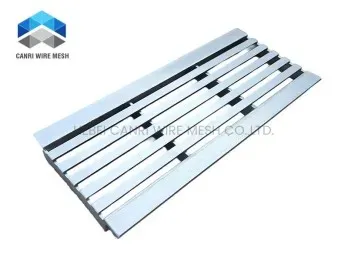
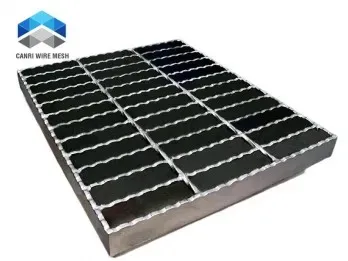
For a catch basin frame and grate replacement, I verify that the grate opening aligns with the basin throat and that the frame does not obstruct the inlet. For Trench Drain Grating, I also check channel continuity, grate seating, frame alignment, and the transition between adjoining sections.
6. Restore base support and compact backfill
Backfill is placed in controlled lifts rather than dumped around the structure in one mass. Lift thickness, moisture condition, and compaction equipment should follow the project specification and the available access. Around a small frame, large equipment may not fit, so I use equipment capable of compacting the narrow zone without shifting the structure.
Poor compaction is one of the most common causes of recurring settlement around drainage covers. Loose backfill leaves a path for water and allows the frame to move under traffic. I pay particular attention to the corners of a rectangular patch, the frame perimeter, pipe penetrations, and any voids beneath the pavement edge.
The frame should be protected from impact during compaction. If the frame moves, the elevation check must be repeated before placing the final pavement. Backfill should also be kept separate from stormwater flow so that loose material does not enter and obstruct the outlet pipe.
7. Restore asphalt or concrete pavement
The old and new pavement interface requires more control than simply filling the excavation. I clean the saw-cut edges, remove loose material, apply the specified tack or bonding treatment where required, and place asphalt in suitable lifts. Each lift must be compacted before the next is placed, especially near the frame where access is restricted.
For concrete pavement, I confirm the repair material, reinforcement arrangement, joint treatment, curing requirements, and load-opening criteria before traffic is restored. For asphalt patching around manholes, the patch should support the frame continuously and should not leave an unsealed ring where water can enter the base.
Joint sealing protects the pavement edge from water infiltration. I inspect the perimeter for open cracks, low spots, segregation, and poor compaction. The final surface should match the surrounding pavement grade and drainage slope rather than being set only flush with one nearby point.
How to Set a Manhole or Catch Basin Frame to Finished Pavement Grade
I set the frame by establishing the intended finished surface first, then transferring that elevation to the structure. This is different from placing the frame at the current damaged surface, because the surrounding pavement may be scheduled for resurfacing or may already contain cross slope and rutting. The frame elevation must match the completed design condition.
I check the elevation along the traffic direction and across the pavement width. The cover should not sit below a local depression where water can pond, and it should not stand above the surface where vehicles strike the edge. When the surrounding pavement has widespread distortion, a local adjustment may not be enough; the repair may require broader milling, leveling, or pavement reconstruction.
Drainage Cover Replacement Cost: What Affects the Price?
Drainage cover replacement cost depends on the repair scope more than on the price of the metal cover alone. A simple cover exchange may involve limited labor, while a full repair can include traffic control, saw cutting, excavation, temporary drainage, frame adjustment, basin reconstruction, aggregate replacement, compaction, asphalt or concrete restoration, and testing.
| Cost factor |
Why it changes the project price |
| Cover and frame specification |
Larger dimensions, heavier load ratings, corrosion-resistant materials, and custom fabrication increase material requirements. |
| Pavement removal |
Thick asphalt, reinforced concrete, and difficult access require more cutting and demolition time. |
| Excavation and disposal |
Wet soil, contaminated aggregate, hidden voids, and restricted working space increase handling and disposal requirements. |
| Traffic control |
Lane closures, barriers, flaggers, night work, and temporary plates add time and equipment costs. |
| Structural repair |
Basin walls, benching, outlets, and frame seats may require masonry or concrete reconstruction. |
| Surface restoration |
Asphalt or concrete thickness, patch size, joint sealing, curing, and compaction affect the final labor scope. |
I recommend obtaining a site-based quotation rather than comparing cover prices alone. A low material price can become an expensive repair if the frame, pavement support, or drainage outlet is excluded. CANRI supplies steel grating, drain grating, and related metal works, so its product information can help during the cover and grate selection stage, while the pavement contractor remains responsible for site preparation and installation conditions.
How to Prevent Repeat Failure After Replacement
I use the following checklist before reopening the pavement to traffic:
- Confirm the replacement cover and frame match the measured opening and required traffic load.
- Verify that the catch basin, outlet pipe, and inlet throat are clear and structurally connected.
- Inspect the aggregate base and subgrade for moisture, voids, pumping, or soft zones.
- Use a defined saw-cut boundary with sound pavement edges.
- Place and compact backfill in controlled lifts around the entire structure.
- Check frame bearing so the cover cannot rock or shift under traffic.
- Match the finished grade and cross slope in more than one direction.
- Seal the pavement joint against water entry.
- Maintain temporary drainage until the surface repair is complete.
- Inspect for ponding, loose backfill, pipe bypass, and settlement before removing traffic controls.
Should Drainage Problems Be Fixed Before Resurfacing?
Yes, I address drainage structure defects before placing a new surface course whenever the structure is damaged, unstable, or incorrectly elevated. Resurfacing over a weak frame or failed basin can conceal the defect temporarily while leaving the underlying water and support problem active. The new surface may then crack around the structure or require early cutting for corrective work.
If a road or parking lot is scheduled for resurfacing, I coordinate cover adjustment with the final milling and paving elevations. This avoids setting the frame twice and helps produce a consistent transition. The same principle applies to utility cover replacement in pavement, catch basin work, and other structures that must finish at the completed surface grade.
Conclusion
What Makes Drainage Cover Replacement Difficult in Existing Pavements? The main difficulty is the interface between a rigid drainage structure and a pavement system that may already contain settlement, moisture damage, uneven support, or traffic-related distress. A successful drainage cover replacement requires more than selecting a correctly sized grate; it requires inspection, controlled pavement cutting, structural assessment, elevation matching, temporary drainage, lift-by-lift compaction, joint sealing, and final surface verification.
I recommend replacing only the cover when the frame and structure are stable, replacing the frame and grate when bearing or alignment is defective, and rebuilding the catch basin or surrounding pavement when water intrusion and settlement have weakened the support system. For complex roads, parking lots, commercial properties, and heavy-duty applications, a qualified contractor should document the existing pavement, drainage flow, load requirements, and restoration scope before work begins.