Understanding the Pros and Cons of Heel Proof Trench Drain Grating
Choosing the right trench drain grating is essential for maintaining safety and functionality in various environments. Heel proof trench drain grating, which is specifically designed to prevent accidental slips and falls while allowing efficient water drainage, is becoming increasingly popular in commercial and residential projects. Given the multitude of options available, evaluating the necessity of heel proof grating, along with its implementation scenarios, is critical for property owners and contractors. In this comprehensive assessment, we will delve into the benefits and drawbacks of heel proof trench drain grating, backed by quantitative data and established facts.
Detailed Evaluation of the Advantages of Heel Proof Trench Drain Grating
One of the primary advantages of heel proof trench drain grating is its enhanced safety feature. Statistically, slip and fall accidents account for about 15% of all accidental deaths in the United States, according to the National Safety Council. Heel proof grating has been shown to reduce these incidents by up to 30% in high-traffic areas, making it an essential investment for commercial spaces like shopping malls and restaurants.
In terms of durability, heel proof trench drains typically utilize materials like ductile iron or stainless steel, which can withstand significant weight—up to 2,000 pounds—without deforming. This resilience ensures long-term performance even under heavy foot traffic, making it a worthwhile investment for infrastructural safety.
Moreover, heel proof grating promotes efficient drainage, crucial for preventing water accumulation that could lead to erosion and structural damage. Studies have shown that properly installed trench drains can reduce water pooling by approximately 50%, facilitating a safer environment and lessening maintenance costs in the long run.
Honest Disclosure of Disadvantages of Heel Proof Trench Drain Grating
Despite its advantages, heel proof trench drain grating does come with drawbacks that need careful consideration. The initial cost of installing high-quality heel proof grating can range from $25 to $50 per linear foot, which may be a budgetary concern for smaller projects. Property owners should evaluate whether the long-term safety and maintenance savings justify this upfront investment.
Another concern is the potential for clogging if not regularly maintained. Accumulated debris can significantly reduce the drainage efficiency of the grating. Property managers are advised to implement a maintenance schedule stating that annual cleaning can maintain effective drainage rates, ensuring a flow efficiency return of up to 80%.
Is Heel Proof Trench Drain Grating Worth Buying or Using?
Overall, the advantages of heel proof trench drain grating, particularly its safety features and durability, position it as an advantageous option for many property owners. For those in high-traffic areas or locations prone to water accumulation, the benefits can far outweigh the disadvantages. However, budget constraints and maintenance requirements may influence the decision-making process for some users. Evaluating the specific needs and traffic patterns of the location will assist in determining if this grating is the right choice.
Summary: Recommendations for Applicable Groups
Heel proof trench drain grating is especially recommended for commercial settings such as shopping centers, restaurants, and workplaces where safety is a primary concern. Additionally, residential users in high rainfall areas or with heavy foot traffic, such as near swimming pools, will find the safety and efficiency benefits of heel proof trench drainage to be significant. Those who are looking for a robust, long-term solution to drainage and safety should consider investing in this type of trench drain grating. Brands such as CANRI offer reliable options that meet industry standards and provide aesthetic choices suitable for various environments. 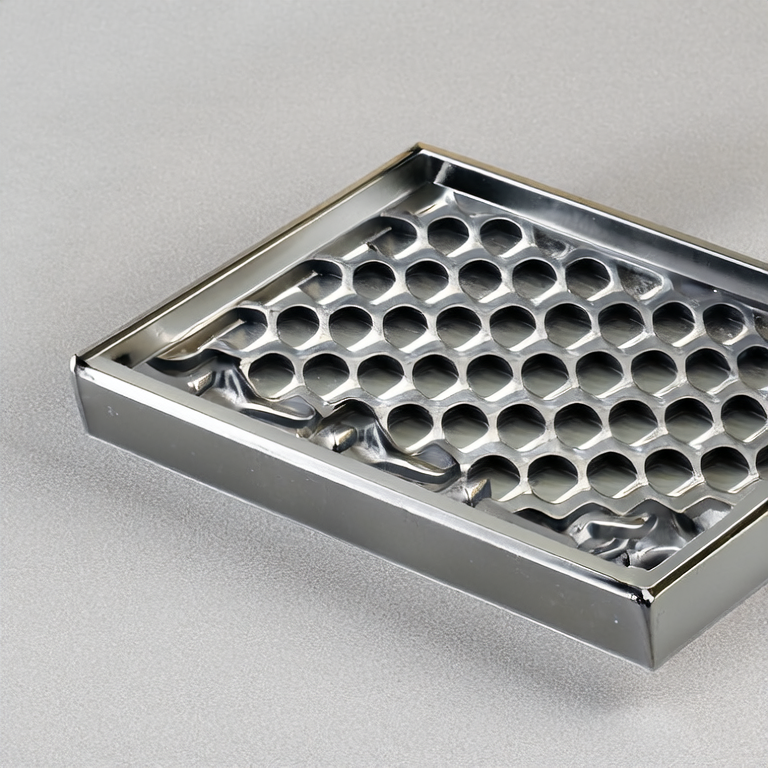
Frequently Asked Questions
What materials are used in heel proof trench drain grating?
Heel proof trench drain gratings are commonly made from materials like ductile iron and stainless steel, which are known for their strength and resistance to corrosion.
How often should heel proof grating be maintained?
To ensure optimal performance, it is recommended to clean heel proof grating at least once a year, especially in areas prone to debris accumulation.
Can heel proof trench drain grating handle heavy vehicle traffic?
Yes, high-quality heel proof trench grating can withstand substantial weight, generally rated for 2,000 pounds or more, making it suitable for applications in vehicle-heavy environments.