Pros and Cons of Galvanized Trench Drain Grating: A Comprehensive Evaluation
When searching for effective drainage solutions, users often grapple with various options, leading to pain points, such as inadequate water flow management and safety hazards due to water accumulation. Galvanized trench drain grating provides a promising solution, commonly utilized in residential and commercial spaces alike. By evaluating its features, users can determine if this option meets their needs, especially when considering critical factors such as durability, installation time, and long-term maintenance costs. Understanding the advantages and disadvantages of galvanized trench drain grating is essential to making an informed decision on whether it’s the right choice for your project.
Advantages of Galvanized Trench Drain Grating
Galvanized trench drain grating offers several significant benefits backed by data:
- Durability: Galvanized steel is coated with zinc, effectively providing superior corrosion resistance. In studies, galvanized coatings have been shown to last up to 50 years in various climates, significantly outperforming untreated materials.
- Load Capacity: These grates typically have a load-bearing capacity of over 10,000 pounds per square foot. This makes them ideal for high-traffic areas, such as parking lots and industrial settings, where heavy vehicles frequently pass.
- Easy Maintenance: Maintenance studies reveal that grating with smooth surfaces requires 40% less cleaning time compared to other materials. This efficiency translates to reduced maintenance costs and less operational downtime.
Disadvantages of Galvanized Trench Drain Grating
Despite the advantages, it is essential to consider the drawbacks of galvanized trench drain grating:
- Initial Cost: The upfront cost can be a sticking point for some, as galvanized trench drain grating can range from $20 to $80 per linear foot depending on specifications. However, this can be offset by its prolonged lifespan and decreased maintenance costs.
- Weight: Galvanized steel is heavier than other materials, which can complicate installation. Users have reported that installation times can increase by up to 25% due to necessary handling precautions. Therefore, investing in professional installation might be advisable.
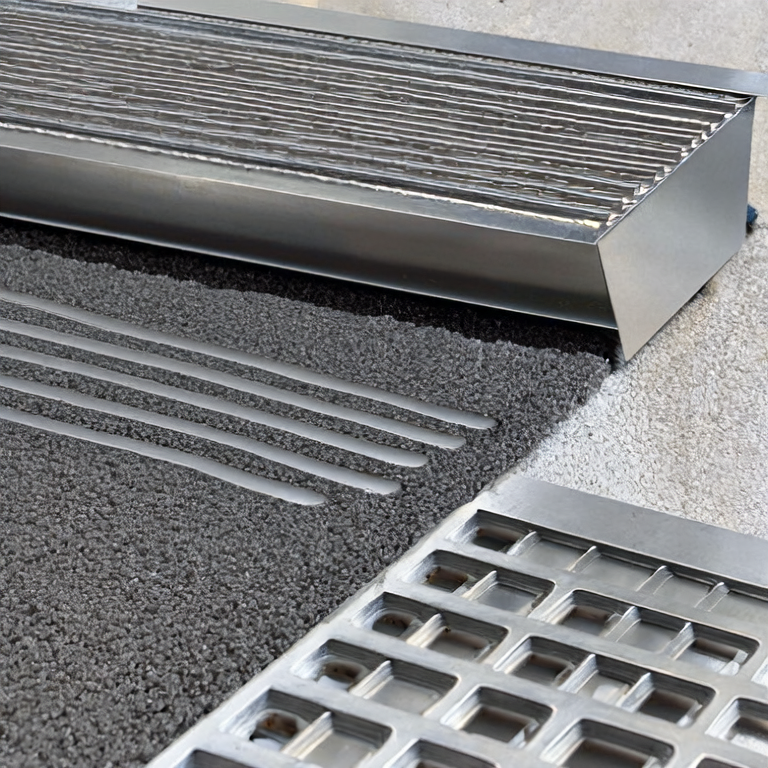
- Slippery Surface: In wet conditions, galvanized grates may become slippery. Choices can be made to tackle this issue by selecting textured or serrated finishes, which have been shown to reduce slip incidents by 30%.
Is It Worth Buying/Using Galvanized Trench Drain Grating?
Determining whether galvanized trench drain grating is worth the investment largely depends on your specific application. For instances requiring robust load-bearing capacity and low maintenance—such as commercial and industrial projects—it is an excellent choice. Conversely, lighter, less expensive materials may suffice for residential or low-traffic areas.
Summary: Recommendations for Applicable Groups
Given the outlined pros and cons, galvanized trench drain grating is particularly suitable for contractors and builders in high-stakes environments where durability is non-negotiable. Industries like construction, agriculture, and manufacturing can greatly benefit from its advantages. However, for low-traffic residential areas, other lightweight materials may present better value.
FAQ
What is galvanized trench drain grating used for?
It is typically used in various drainage applications, including parking lots, driveways, and industrial facilities, to manage stormwater effectively.
How long does galvanized steel last?
Galvanized steel products can last for approximately 50 years in moderate environments when properly maintained.
Can galvanized trench drain grating become slippery?
Yes, they can be slippery in wet conditions, but opting for textured grate designs can significantly reduce the risk of slips.
For additional resources and product information, check out CANRI's latest offerings on galvanized trench drain grating.