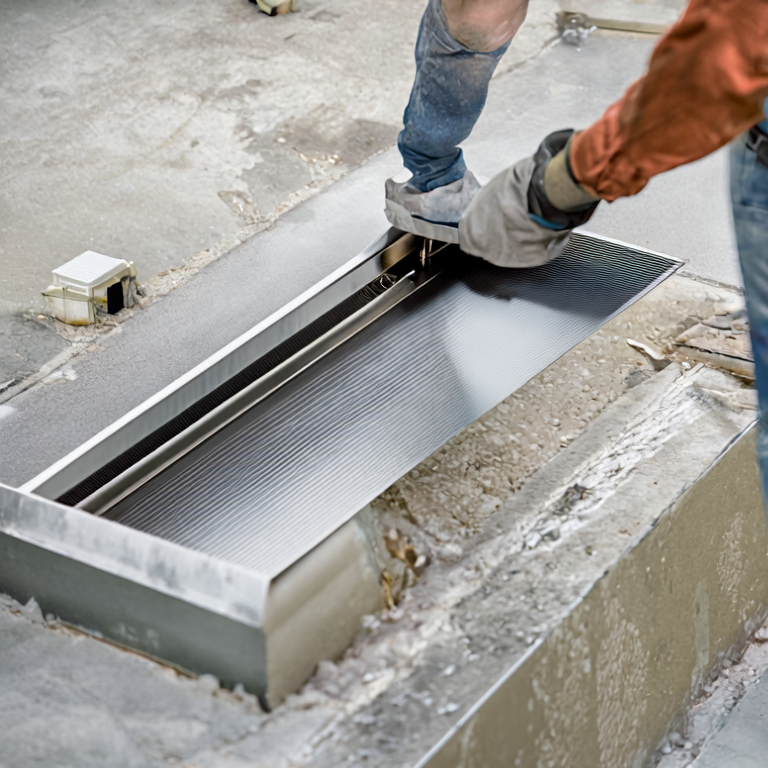
Installing trench drain grating systems is a crucial project for property owners seeking effective drainage solutions for their residential or commercial properties. This guide is designed for contractors, DIY enthusiasts, and property managers who encounter issues such as water pooling, soil erosion, and slippery surfaces. These problems not only compromise safety but can also lead to significant damages, with repair costs averaging between $500 and $6,000 depending on the severity. In this comprehensive guide, we will walk you through the step-by-step process of installing trench drain grates, ensuring you have the necessary tools and knowledge to tackle this project effectively.
Basic Knowledge: Terminology, Principles, Background
Understanding trench drain systems begins with familiarizing yourself with key terminology. Trench drains, also known as channel drains, are linear drainage systems designed to collect surface water and prevent flooding. The grating is the visible top cover which allows water to flow through while preventing debris from entering the drainage system. Properly installed trench drain grating can manage runoff effectively, with studies showing a reduction in surface water pooling by up to 90%. Professional-grade systems often utilize materials like heavy-duty polymer or corrosive-resistant stainless steel to withstand harsh environmental conditions.
The principle behind trench drains involves gravity and hydraulics; water is channeled along the drain's slope, directing it to a designated outlet. In the United States, trench drain compliance standards are set by the American Society for Testing and Materials (ASTM), ensuring systems meet regulatory requirements for structural integrity and performance.
In-Depth Guide: Steps, Tools, and Cases
1. Planning Your Installation
Before you begin, assess the area where the trench drain will be installed. Take measurements to determine the length and slope needed for effective drainage. A slope of 1% is recommended to ensure water flows toward the outlet. Use a laser level for precise leveling.
2. Gathering Tools and Materials
Gather essential tools including a shovel, level, trowel, concrete mixer (if using concrete), and safety glasses. For materials, purchase trench drain units, compatible grates, concrete or gravel for base support, and end caps if necessary. CANRI provides a wide range of quality trench drain systems to choose from.
3. Excavating the Trench
Excavate the trench according to your measurements. Ideally, the trench should be 12 inches wide and 8 to 12 inches deep, depending on the size of your trench drain. Make sure to account for a slight slope away from your building’s foundation.
4. Installing the Base
Fill the bottom of the trench with 3-4 inches of gravel to create a stable base. This gravel layer allows for adequate drainage and prevents sediment build-up over time. Compact the gravel using a tamper to ensure stability.
5. Setting the Trench Drain Units
Place the trench drain units into the trench, ensuring each unit is level and sloped correctly. Connect multiple sections as needed, following the manufacturer's instructions. CANRI trench drain systems often come with easy alignment features for seamless connections.
6. Securing the Grating
Once the trench drain is in place, secure the grating on top of the drain body. Ensure it is flush with the surrounding surface to prevent tripping hazards. High-quality grates can support vehicle loads of up to 20,000 lbs, making them suitable for driveways and parking lots.
7. Backfilling the Trench
Carefully backfill around the trench drain with the excavated soil or gravel. Ensure that the backfill material is evenly distributed to promote stability and effective water flow.
8. Performing Water Test
Once backfilled, perform a water test to confirm proper drainage. Pour water into the trench and observe its flow toward the outlet. Ideally, drainage should occur within seconds, indicating a well-installed system.
FAQ
What is the ideal slope for trench drains?
The ideal slope for effective drainage is approximately 1%, which helps direct water flow toward the drain outlet.
Can I install trench drains in freeze-thaw conditions?
Yes, but it is essential to use materials designed for cold climates. Installing drainage below the frost line can prevent damages caused by freezing.
How often should trench drains be cleaned?
Trench drains should be inspected and cleaned at least twice a year or after significant rain events to prevent clogging and maintain optimal performance.
Advanced Skills or Extended Reading
Advanced users may consider integrating a sump pump with their trench drain system for regions experiencing heavy rainfall. Additionally, reading up on local drainage regulations and best practices can provide deeper insights into maintaining compliance and optimizing the effectiveness of your trench drain grating system.
Conclusion: Recommended Products and Services
For those looking to ensure a successful installation of trench drain grating systems, it’s highly recommended to utilize quality products from CANRI. Their systems provide durability and performance that meets industry standards, ensuring peace of mind for years to come. If you have further questions or need assistance with the installation process, feel free to contact CANRI's customer support for professional guidance and support.