The trench drain grating serves multiple purposes in construction and drainage systems, impacting efficiency, safety, and compliance with industry standards. Understanding the various trench drain grating standards, including materials, load classifications, and installation practices, is essential for engineers, contractors, and property owners. This guide provides a comprehensive overview of these standards to help you choose the right grating for your project.
1. Understanding Trench Drains and Their Importance
- Definition: Trench drains are linear drainage systems designed to rapidly divert surface water away from specific areas, preventing flooding and erosion.
- Applications: Commonly used in roadways, parking lots, construction sites, and industrial facilities.
- Benefits: Improve drainage, enhance safety, and protect structures from water damage.
2. Types of Trench Drain Grating
- Material Options:
- Cast Iron: Durable and ideal for heavy load areas.
- Polymer Concrete: Resistance to chemicals, lightweight.
- Stainless Steel: Corrosion-resistant, suited for harsh environments.
- Plastic: Lightweight and cost-effective, suitable for less demanding loads.
- Design Styles:
- Slot Grating: For discreet installations.
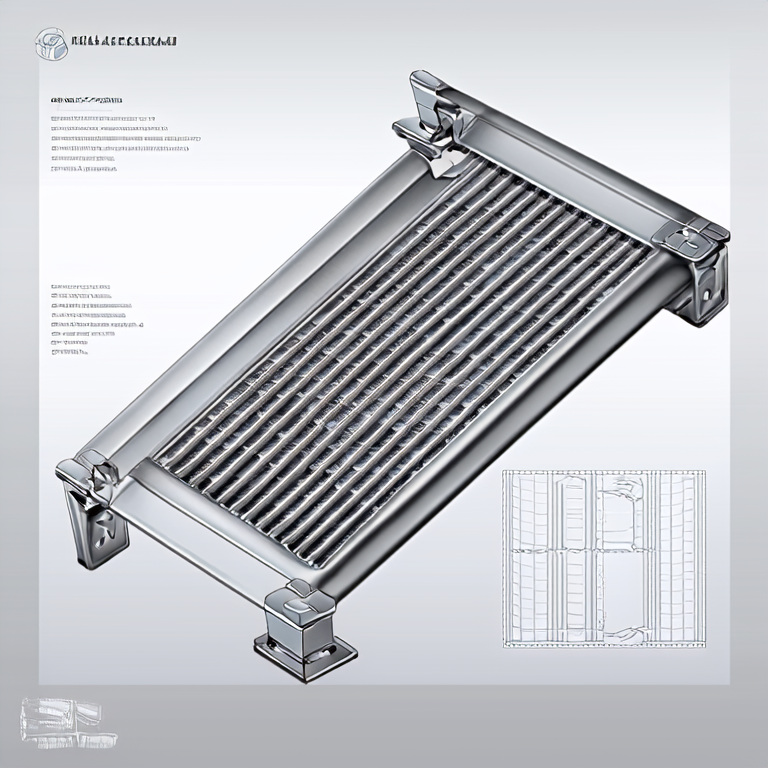
- Bar Grating: Greater strength and load-bearing capacity.
- Mesh Grating: Enhanced safety with slip-resistant surfaces.
3. Load Classification Standards
- Understanding Load Classes:
- Class A: Domestic driveways and pedestrian use.
- Class B: Patios, car parks, and light vehicular traffic.
- Class C: Areas with heavier load traffic, such as service roads.
- Class D: Extremely high-load situations; industrial settings.
- Specifications: Refer to standards provided by organizations like ASTM (American Society for Testing and Materials).
4. Regulatory Compliance and Standards
- Relevant Standards:
- ASTM D 7351 - Standard Guide for the Design and Installation of Trench Drainage Systems.
- ADA Standards for Accessible Design: Ensuring grates do not pose a tripping hazard.
- Local building codes: Always check for specific regulations in your area.
- Importance of Compliance: Ensures safety and longevity, and can provide legal protection in case of incidents.
5. Installation Best Practices
- Pre-Installation Considerations:
- Assess site drainage requirements and soil conditions.
- Choose appropriate grating based on anticipated water flow and load requirements.
- Step-by-Step Installation:
- Excavate trench according to specific dimensions.
- Install base material to support the trench drain.
- Lay down the trench drain system and ensure proper alignment.
- Secure the grating, following manufacturer’s guidelines.
- Backfill and compact the surrounding area.
6. Maintenance and Inspection of Trench Drain Systems
- Regular Maintenance Tips:
- Inspect grates for cracks and deformities.
- Clear out debris and sediment to ensure proper drainage.
- Look for signs of rust or corrosion, particularly in metal grating.
- Inspection Frequency: Conduct quarterly examinations and after severe weather events.
7. Key Considerations in Choosing Grating
- Load Requirements: Ensure the selected grating can withstand anticipated loads.
- Material Suitability: Choose materials based on environmental conditions (e.g., chemical exposure, climate).
- Design Aesthetics: Consider how the grating fits within the overall site design.
8. Innovations and Future Trends in Trench Drain Grating
- Smart Grating Solutions: Integration of sensors for monitoring water levels and flow.
- Sustainable Materials: Use of recycled plastics and eco-friendly materials in grating production.
- Customization: Advances in design technology allow for tailored solutions for specific site requirements.
Conclusion
Understanding trench drain grating standards is essential for meeting regulatory requirements and ensuring effective drainage solutions. By considering types, load classifications, installation best practices, and future trends, you can make informed decisions that enhance the efficiency and safety of your drainage systems. For further reading, consult industry resources and local regulations to stay up-to-date with best practices in trench drain installation and maintenance.