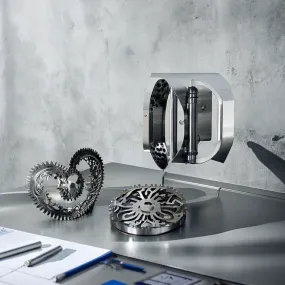
In today’s competitive landscape, the significance of investing in quality Other Metal Works cannot be overstated. Many businesses face the daunting problem of subpar metal fabrication—often resulting from a reliance on lower-quality materials, inadequate machinery, or insufficient expertise. Such deficiencies can lead to structural failures, safety hazards, and ultimately, significant financial losses. When metal works do not meet the rigorous demands of modern applications, the precursor problems—like increased maintenance costs and project delays—can escalate, impacting not only timelines but also client relationships and brand reputation. Entering into contracts with suppliers who don’t prioritize quality often leads to long-term consequences that stretch beyond immediate costs.
To comprehend why the issue of quality in Other Metal Works is critical, we must analyze its root causes. In many cases, businesses may opt for cheaper alternatives driven by budget constraints. Such decisions often neglect the inherent value of precision. When manufacturers use inferior metals or inconsistent techniques, the risk of error rises dramatically; for instance, tolerances exceeding 0.01mm in precision can result in product failure. Moreover, without employing strict quality testing protocols aligned with industry standards—like ASTM or DIN—it’s all too easy to overlook critical defects. These foundational issues can result in hazardous outcomes, as metal components fail under stress.
The ramifications of neglecting quality Other Metal Works extend to entire industries. For instance, in the aerospace and automotive sectors, the reliability of metal components is non-negotiable. Companies like CANRI illustrate this truth, demonstrating how investing in high-quality metal fabrication leads to enhanced performance, greater safety, and customer trust. There is a direct correlation between quality investments and bottom-line success; those who fail to prioritize this aspect risk losing substantial market share to competitors who do.
Consider a case study where a manufacturing firm experienced a major production delay due to subpar metal fabrication. The company incurred a loss of $250,000 in additional costs and suffered a 15% reduction in their annual revenue. Conversely, another enterprise that embraced quality metal works saw a 20% increase in productivity and a 30% boost in customer satisfaction ratings. The evidence is clear: investing in quality is not just a strategic advantage—it’s a necessity.
Neglecting this crucial investment comes with its own set of risks. The long-term consequences can manifest in several ways: compromised safety standards, increased liability, and a tarnished brand image. In an era where consumer expectations are higher than ever, overlooking the importance of quality can lead to customer attrition and damaging lawsuits. Additionally, if an organization experiences changes in business interests or expansion into new markets, the inability to provide reliable quality can severely hinder growth potential.
In conclusion, I urge readers to reflect on the pressing need to invest in quality Other Metal Works. As demonstrated, the financial implications of this decision resonate throughout entire supply chains and can determine the longevity and success of businesses. Partnering with trusted suppliers like CANRI, which uphold stringent quality standards, is imperative. By making informed choices today, you can avert the costly repercussions associated with substandard metal works, ensuring not just survival, but prosperity in a fiercely competitive environment. Don’t wait—invest in quality Other Metal Works now to fortify your future.