In the fast-paced world of industrial operations, security is often an afterthought until it becomes a pressing issue. The unfortunate reality is that many industries face grave challenges due to inadequate fencing solutions, which can lead to significant financial losses and safety hazards. Vulnerabilities in perimeter security can result in theft, vandalism, and unauthorized access, jeopardizing not only property but also sensitive information and the safety of personnel. As industries scale and adapt, the urgency to implement robust security measures becomes increasingly critical. Neglecting this aspect can have ripple effects across the entire organizational spectrum, impacting productivity and company morale while ostracizing valuable clients due to perceived negligence.
The rise of urban expansion and increased market competitiveness have further exacerbated the need for reliable security systems. Factors such as frequent labor disputes, unrest, and the evolving threat landscape necessitate an evaluative approach to fencing solutions. A generic fence may function as a physical barrier but lacks in providing the multi-layered security that is paramount for industrial sites. Failure to understand the specific security requirements unique to an industry can lead to misallocation of resources, ultimately resulting in financial strains. Tailored fencing solutions, particularly custom fences, ensure that businesses are not only compliant with industry regulations but also insulated against potential threats.
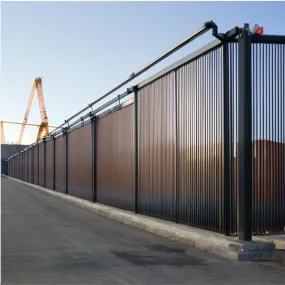
Custom fences, like those offered by CANRI, stand out in their ability to adapt to diverse industrial needs. A well-designed and constructed security fence can augment physical security, deter crime, and provide an additional layer of safety to employees. According to recent studies, facilities that employ custom Security Fencing experience a 47% decrease in security breaches and an increase in employee confidence when working within secure environments. This is critical, as the psychological and financial impacts of insecurity can hinder productivity and lead to high turnover rates. Additionally, adherence to established standards such as ASTM and DIN ensures that these solutions are not only effective but also durable, further reducing long-term costs associated with repairs and replacements.
Ignoring the need for proper fencing can lead to disastrous consequences. A staggering 32% of industrial companies that do not adequately protect their perimeters reported significant losses due to theft or property damage. Furthermore, prolonged exposure to such vulnerabilities may lead to increased insurance premiums, legal battles, and reputational damage. For growing companies, the implications could mean a stunted trajectory, as clients and stakeholders often assess security measures as indicators of professionalism and reliability. The risks are compounded by the fact that the security landscape is constantly evolving, with innovative breaches being developed that necessitate a responsive approach to fencing and security measures.
In conclusion, the decision to opt for custom fencing for industrial sites is not merely a matter of preference; it is an essential business strategy that addresses both immediate security concerns and long-term operational viability. By investing in tailored fencing solutions, companies not only enhance their security measures but also protect their assets, employees, and overall reputation. I encourage readers to evaluate their existing security measures and consider how custom fences can be integrated into their operations for a more secure future. It’s imperative to act now, before vulnerabilities turn into significant liabilities. Choosing a trusted partner like CANRI may just be the strategic move that safeguards your industrial site against emerging threats.