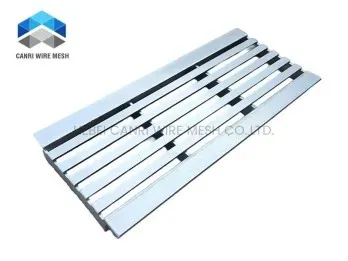
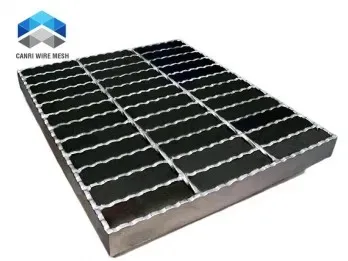
Before I approve an export steel grating order, I confirm the product schedule, packaging method, bundle dimensions, gross and net weights, lifting limits, labels, container loading plan, destination conditions, Incoterms, and export documents. The package proposal should match the latest drawings and installation sequence, not only the total square-meter quantity.
!
Key Takeaways
- Export steel grating packaging must protect surfaces, control movement, and support safe unloading at the destination.
- Each bundle label should connect panel marks, drawing references, quantities, weights, dimensions, and installation sequence.
- A steel grating container loading plan should show package limits, lifting points, clearances, and weight distribution.
- Export packaging requirements change with transport mode, destination climate, handling equipment, and selected Incoterm.
- Final shipment release should follow documented approval of drawings, packing proposals, loading records, and export documents.
Packaging Details to Confirm for Export Steel Grating Orders
I begin with the product schedule because packaging decisions depend on the actual grating type, panel size, surface treatment, and installation sequence. The order should identify bearing-bar dimensions, cross-bar spacing, panel length and width, material grade, finish, stair treads, clips, handrails, and other accessories. For galvanized steel grating, I also confirm whether the finish must remain visible, whether separators are required, and whether small fittings need separate cartons or bags.
The packing proposal should state whether products will be arranged in strapped bundles, steel frames, timber pallets, plywood cases, or a combination of these methods. It should also define maximum bundle weight, maximum package height, lifting points, forklift entry, crane access, and the number of panels in each package. I do not approve a packing method that lists only total area because two bundles with the same area can have very different dimensions, weights, handling risks, and container utilization.
What Packing Details Should a Steel Grating Export RFQ Include?
An export steel grating RFQ should include the destination country and city, port or inland delivery point, transport mode, preferred Incoterm, estimated order quantity, panel schedule, surface treatment, and requested delivery window. I also include the maximum acceptable bundle weight, available unloading equipment, site access restrictions, and any requirement for wood packaging. These details allow the steel grating manufacturer, such as CANRI, to prepare a packing proposal that reflects actual receiving conditions.
For procurement control, I recommend adding a package-level worksheet to the RFQ response. The worksheet should contain package number, panel marks, bundle contents, length, width, height, net weight, gross weight, volume, lifting method, and package limits. It should also identify whether accessories are included inside the bundle, attached externally, or packed separately.
Steel Grating Export Packaging Requirements
The main protection objective is to prevent deformation, abrasion, water retention, and loss of small components during handling and transit. Steel grating panels should be aligned before strapping, with supports placed so that the bundle does not sag when lifted. Steel or polymer straps should be selected according to bundle weight and edge conditions, while corner and edge protection should be used where straps could damage galvanized surfaces or create sharp handling points.
Pallets and frames should be specified according to the bundle geometry rather than selected as a standard item. A timber pallet may suit smaller bundles that require forklift handling, while a steel frame may be more suitable for long, heavy, or repeatedly handled packages. If wood packaging is used for international shipping, I confirm the required ISPM 15 treatment and marking before loading; untreated or incorrectly marked wood can create customs and quarantine delays.
Moisture control requires special attention during sea freight and long storage periods. I confirm whether the bundle will use breathable wrapping, waterproof covers, desiccant materials, raised supports, or ventilation gaps. Fully sealed plastic around wet or recently treated steel can retain condensation, so the packing specification should identify when wrapping is applied and how drainage and airflow are maintained.
Surface protection depends on the finish and the expected handling path. Galvanized steel grating may require separators, protective sheets, or edge guards to reduce contact damage between panels. Painted or coated products may need non-abrasive spacers and protection from direct friction, while stainless steel grating should be separated from carbon-steel components when material contamination is a concern.
Export Steel Grating Packaging Checklist
I use the following checklist before approving the packing proposal:
- Product type, material grade, finish, panel dimensions, and accessory schedule.
- Bundle number, panel marks, drawing reference, installation area, and sequence.
- Number of panels per bundle and the exact contents of each package.
- Package length, width, height, net weight, gross weight, and cubic volume.
- Strap type, strap quantity, corner protection, separators, and bundle supports.
- Pallet, steel frame, crate, carton, or mixed packaging method.
- Moisture protection, waterproof covering, ventilation, and corrosion-control measures.
- Forklift pockets, sling points, lifting direction, and maximum lifting weight.
- Export marks, handling symbols, destination information, and package numbering.
- Packing list, commercial invoice, certificate requirements, and transport documents.
- Loading sequence, container position, weight distribution, and unloading instructions.
- Final approval by the responsible engineering, procurement, logistics, and receiving teams.
A checklist is useful only when every field has an owner and a verification status. I normally separate the worksheet into “supplier proposed,” “buyer approved,” and “verified before loading” columns. This creates a traceable record when the final package differs from the preliminary quotation because of production changes or container restrictions.
Confirm Bundle Dimensions and Container Loading Plans
The steel grating container loading plan should be prepared from the final package dimensions, not estimated from production weight alone. I check container internal length, width, door opening, maximum payload, floor loading limits, and the clearance needed for forklifts or slings. Long bundles may fit inside the container but still block the door area or prevent safe removal if the loading order is not planned in advance.
The loading plan should show package numbers, orientation, stacking rules, dunnage, lashing points, and the intended removal sequence. Heavy bundles should be distributed to avoid excessive concentration on one floor area, and packages should not be stacked unless the frame and product design permit stacking. I also confirm whether the container will be floor-loaded, palletized, or loaded with steel frames that remain with the shipment.
Is Pallet Packing Always Required for Steel Grating Exports?
No. Pallet packing is not always required, but it is often useful when bundles need forklift access, separation from the container floor, or repeated transfer between vehicles. Long welded steel grating bundles may be more efficiently shipped on steel supports or reinforced timber runners instead of conventional pallets. The correct choice depends on bundle weight, dimensions, lifting equipment, destination handling, and whether the packaging will be returned or discarded.
For small orders, I compare the cost and handling benefit of individual pallets, shared pallets, or consolidated frames. A small bundle that is too light for a large frame may create unnecessary freight volume, while an unpalletized bundle may be difficult to unload at a site without suitable lifting equipment. The packing decision should therefore be based on receiving capability and total landed cost rather than pallet use alone.
Labels, Panel Marks, and Installation-Sequence Grouping
A steel grating bundle label should allow the receiving team to identify the package without opening it. At minimum, I specify the supplier name, project name or purchase-order number, package number, destination, panel marks, drawing reference, quantity, dimensions, net weight, gross weight, volume, and handling instructions. Where the project has multiple areas, the label should also identify the floor, platform, gridline, stair number, trench section, or installation zone.
Panel marks should match the latest approved drawings and the packing list exactly. If a package contains panels from different installation areas, I require a clear internal breakdown and separate protective grouping where practical. Grouping by installation sequence can reduce double handling, but only if the bundle remains within the agreed weight, dimension, and lifting limits.
What Should a Steel Grating Bundle Label Include?
The label should include a unique package identifier that appears on the packing list, commercial invoice, and loading record. I also include a scannable code when the project uses digital receiving, but the printed label must remain readable if the code is damaged. Weight and lifting information should be displayed on more than one side when the bundle may be rotated or stored in a constrained yard.
Labels should be protected from rain, abrasion, and strap contact. I prefer durable tags attached to the frame or a protected label holder rather than loose paper placed between panels. When export marks are required by the buyer, customs broker, or destination authority, I confirm the exact wording before production so that the same identification appears on packages and documents.
Shipping Scope, Destination, and Export Documents
Packaging cannot be separated from the shipping scope. I confirm whether the order is for port delivery, door delivery, project-site delivery, or a destination warehouse, because each option creates different handling and protection requirements. Sea freight may require stronger moisture control and longer storage protection than short domestic trucking, while break-bulk shipments may require more external protection because packages are transferred individually.
The selected Incoterm should be recorded with the named place, not only the three-letter code. For example, the parties should define the exact port, terminal, warehouse, or delivery location and assign responsibility for export clearance, main carriage, insurance, unloading, and import procedures. This prevents a packaging proposal from being approved without confirming who supplies dunnage, who removes packaging, and who handles damage claims.
Typical steel grating export documents may include a commercial invoice, packing list, bill of lading or sea waybill, certificate of origin, insurance document where applicable, and treatment certificate or declaration for regulated wood packaging. Project-specific documents may also include material certificates, galvanizing records, inspection reports, drawings, and a package loading record. I verify the final list with the buyer, freight forwarder, customs broker, and destination requirements before dispatch.
Receiving Risk, Unloading, and Claims Evidence
I assess the receiving location before finalizing packaging because the same bundle can be safe at a fabrication yard but unsuitable at a restricted construction site. The review should identify crane capacity, forklift capacity, sling length, lifting points, ground condition, access width, overhead clearance, storage space, and the distance between unloading and installation areas. If the site cannot accept a 2,000-kilogram bundle, the manufacturer should divide it into smaller packages before loading.
The receiving team should photograph package condition before unloading and record visible damage, missing labels, broken straps, wet wrapping, bent panels, and discrepancies against the packing list. Photographs should include package numbers and wide views showing the container or truck condition. This evidence helps separate manufacturing issues, transport damage, unloading damage, and storage-related corrosion when a claim is reviewed.
Post-arrival inspection should compare package contents with the approved packing list and latest drawings. I check panel marks, quantity, dimensions, surface condition, accessories, and any deformation caused by lifting or stacking. If damage is found, the receiver should preserve the packaging, record the location and extent of damage, and notify the responsible parties before repacking or installing the affected material.
Approval Workflow Before Shipment Release
I use a four-stage approval workflow to reduce inconsistencies between production, packing, and logistics. First, the engineering or project team confirms the latest drawing revision and panel schedule. Second, the manufacturer submits the packing proposal with package-level dimensions, weights, protection details, labels, and lifting information.
Third, the logistics reviewer checks the container loading plan, transport mode, destination restrictions, Incoterm, payload, and required export documents. Fourth, the buyer or designated project representative releases the shipment only after the final package list, loading photographs, and document set have been reviewed. Any change after approval should receive a new revision number and written confirmation.
The release record should identify the drawing revision, packing proposal revision, loading-plan revision, responsible reviewer, approval date, and shipment number. This record is especially important when the order includes several production batches or when packages are shipped in separate containers. It gives the buyer a clear basis for checking whether the delivered shipment matches the approved export steel grating packaging details.
Conclusion
What Packaging Details Should Be Confirmed for Export Steel Grating Orders? I recommend confirming the product schedule, bundle method, strapping, pallets or frames, moisture control, surface protection, labels, panel marks, package dimensions, gross and net weights, lifting limits, container loading plan, destination handling, Incoterms, and export documents before production is released. The package should be designed around the latest drawings and the actual receiving conditions.
For a practical next step, I would issue a package-level worksheet and require the steel grating manufacturer to complete every field before loading. CANRI or another qualified supplier should provide the proposed bundle contents, dimensions, weights, protection method, labels, and loading sequence for review. I would then compare those details with the approved drawings, container limits, site equipment, and destination documentation requirements before authorizing shipment.