In the realm of property protection, Security Fencing plays an indispensable role in safeguarding homes, businesses, and public areas. This surge in demand is attributed to growing concerns over security breaches and theft. With property crime rates increasing, as reported by the Federal Bureau of Investigation (FBI), individuals and businesses alike are searching for the most effective solutions available. Understanding various security fencing materials can alleviate these concerns and provide peace of mind. In this article, we will explore the significance of security fencing, discover the best fence material choices, and analyze the application of different types in real-world scenarios.
Definition of Security Fencing
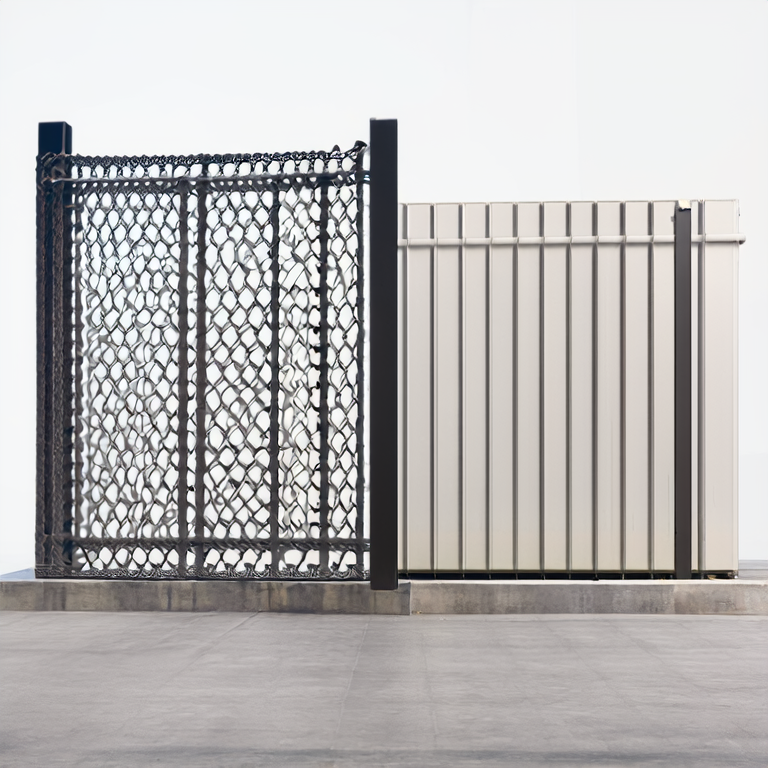
Security fencing refers to barriers that are specifically designed to deter unauthorized access and enhance safety. They come in various forms, including chain-link, wrought iron, wooden, and vinyl fencing. Each material offers specific levels of security and aesthetic value. According to the National Institute of Justice, proper fencing can reduce burglary attempts by up to 36%, underscoring its importance in crime prevention.
Industry Term Analysis
In the industry, terms like “Barbed Wire,” “Electric Fencing,” and “Palisade Fencing” are often used. Barbed wire, for instance, is an effective deterrent against intruders while adding a layer of complexity in scaling the fence. Electric fencing serves as an active deterrent, with up to 7,000 volts of electricity being a potent psychological and physical barrier. Understanding these industry terms is essential for making an informed choice.
Application Scenarios for Security Fencing
Security fencing finds applications across various fields including residential properties, commercial establishments, and industrial sites.
-
Residential Properties: Homeowners can benefit from security fencing by significantly reducing their likelihood of break-ins. For example, a well-installed wooden fence boundary can reduce home invasion attempts by over 30% based on a survey from the Insurance Information Institute.
-
Commercial Spaces: Businesses, especially those in retail, often employ security fencing to protect their properties from vandalism and theft. A survey conducted by the National Association for Shoplifting Prevention indicated that stores equipped with adequate security measures experience a reduction in shoplifting incidents by nearly 25%.
-
Industrial Sites: For warehouses and factories, security fencing may come in the form of chain-link or high-security palisade fences. In such environments, these barriers can prevent unauthorized entry, thereby protecting valuable equipment and inventory. Research by the Center for Problem-Oriented Policing has shown that proper fencing can lead to a 40% reduction in theft-related crimes in industrial areas.
Brief Description of Advantages
Understanding the advantages of security fencing goes beyond aesthetics; it encompasses physical security, legal protection, and insurance savings.
-
Physical Security: Different materials offer varying levels of deterrence. For example, a steel ornamental fencing system can withstand considerable force, resisting break-in attempts effectively.
-
Legal Protection: Adequate fencing can safeguard homeowners from liability issues in cases of accidents on their property. States have varying laws regarding property safety, but demonstrating a secure perimeter often aligns with legal expectations.
-
Cost Savings on Insurance: Insurance companies frequently lower premiums for properties with robust fencing in place. According to a study by the Insurance Information Institute, properties with security fencing can see a 10% to 15% reduction in annual insurance costs.
Next Step Guidance
Interested readers should consider taking the first step toward upgrading their property’s safety by reading the user guide for installation and maintenance of various types of fencing. For a comprehensive understanding of what suits your property best, explore the options provided by brands like CANRI to ensure you have high-quality, durable materials.
FAQ
What is the best material for security fencing?
The best material can vary based on specific needs; however, steel and wrought iron are regarded as the most durable and secure options.
How much does security fencing cost?
Costs fluctuate based on the material and installation complexity, but average estimates range from $15 to $40 per linear foot.
Can I install security fencing myself?
While some types of fencing are suitable for DIY installations, it’s recommended to hire professionals for more intricate designs or materials to ensure adherence to safety regulations.
What features enhance security fencing?
Additional features include barbed wire topping, electric shock capabilities, and visibility enhancements, which enhance the overall effectiveness of the fencing.
By exploring and understanding the nuances of security fencing and the best material choices, you empower yourself to make informed decisions that significantly improve your safety and security.