In today's fast-paced world, ensuring safety in homes and public spaces is a crucial priority. One way to address this concern is through the effective use of Stair Treads. Whether you're looking for non-slip stair treads, decorative staircase solutions, or durable materials for stair safety, understanding the significance of stair treads can help you create a safer environment. With slipping accidents leading to over 1 million emergency room visits each year (according to the National Safety Council), stair treads are an essential addition for anyone concerned about safety.
Definition of Stair Treads
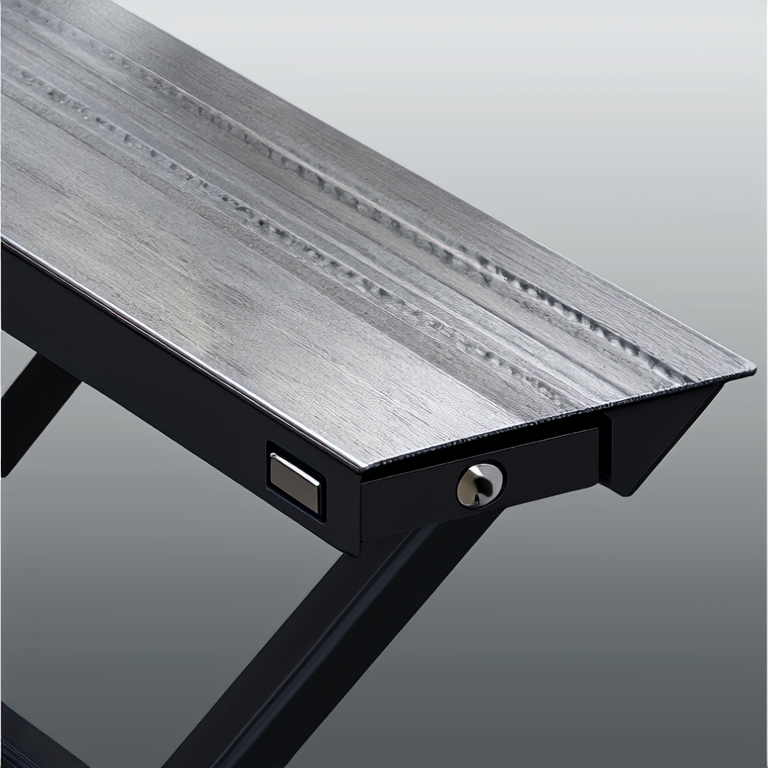
Stair treads are materials that cover the horizontal surface of each stair step to enhance grip and reduce slipping. Commonly, these treads are made from various materials including metal, rubber, wood, or synthetic compounds. The term "stair tread" refers specifically to the part of a stair upon which a person steps, and they serve both functional and decorative purposes.
In the industry, it's important to understand that stair treads are categorized based on materials used, such as metal stair treads, which provide durability and strength, or vinyl treads, which are cost-effective and easy to maintain. This classification helps consumers choose the right type of stair tread based on their unique needs and environmental conditions.
Application Scenarios for Stair Treads
Stair treads find use in a variety of settings:
- Residential Homes: Homeowners can implement stair treads in their staircases to enhance safety for children and elderly family members.
- Commercial Buildings: Offices and public spaces often have stair treads installed to comply with safety regulations and reduce liability.
- Industrial Facilities: In warehouses or factories where heavy foot traffic is common, durable stair treads can withstand wear and tear while providing safety to the workforce.
- Outdoor Spaces: On steps that are exposed to weather, adding stair treads can prevent slippery surfaces from rain or snow.
Brief Description of Advantages
The installation of stair treads offers numerous advantages:
- Enhanced Safety: Stair treads significantly reduce the risk of slipping. According to the CDC, over 800,000 patients a year are hospitalized due to falls, showcasing the importance of enhancing stair safety.
- Increased Aesthetic Appeal: With various designs and materials available, stair treads can enhance the visual appeal of any space.
- Cost-Effectiveness: Installing stair treads can be a cost-effective safety measure compared to the potential medical costs of slip-related injuries.
- Durability: High-quality materials like metal can withstand heavy foot traffic and weather conditions, making them ideal for both indoor and outdoor use.
Next Steps: Guidance for Users
For those interested in improving the safety of their stairs, we recommend starting with some research on different types of stair treads available in the market. The next step would be to obtain a user guide from reputable manufacturers such as CANRI, which provides detailed insights into product specifications, installation instructions, and maintenance tips. By understanding your specific needs and the products available, you can make an informed decision that enhances safety and aesthetic value in your space.
FAQ
1. What are metal stair treads made of?
Metal stair treads are typically composed of materials such as aluminum or steel, providing a superior level of durability and grip.
2. How do I install stair treads?
Installation of stair treads typically involves cleaning the step surface, applying a strong adhesive, and securely placing the tread in position. Precise instructions can be found in the user guide of the product you choose.
3. Can stair treads be used outdoors?
Yes, many stair treads are suitable for outdoor use, especially those made from weather-resistant materials like metal or rubber.
With stair treads being a crucial addition to any stair system, exploring options from brands like CANRI can give you confidence in your choice. For a trial or further understanding, consider reaching out to manufacturers or suppliers.