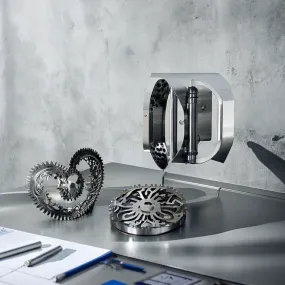
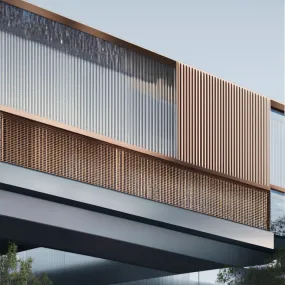
The architectural metalworks industry is evolving rapidly, with significant trends emerging in response to modern consumer demands and environmental considerations. Growing concerns about sustainability and aesthetics drive the need for innovative metal solutions, particularly in urban environments. The pain point for many architects and builders is the challenge of integrating functional metal works that are both stylish and environmentally friendly. Solutions exist through advanced technologies and materials, leading to striking designs that can withstand the test of time. For instance, CANRI's modern metal work solutions combine high durability with exceptional aesthetic appeal, significantly enhancing the overall value of constructions.
Key Drivers and Innovations in Other Metal Works
Several key drivers are reshaping the landscape of architectural other metal works. One of the most vital factors is the rising demand for sustainable materials, pushing manufacturers to innovate with recycled metals. According to the U.S. Geological Survey, recycled metals reduce emissions by up to 70% compared to virgin material extraction, highlighting both environmental benefits and cost savings for buyers. Additionally, advancements in technology, such as 3D printing for metalwork, allow for customization and complex designs without the associated labor costs, enhancing efficiency in production processes.
Emerging Trends in Architectural Other Metal Works
1. Sustainable Metal Materials
The shift toward sustainability in architectural projects is driving the use of eco-friendly metal materials. For instance, the survey by the Architectural Metal Association (AMA) noted a 25% increase in projects using recycled aluminum and steel in 2023 compared to the previous year. This trend not only supports environmental conservation but also meets the growing consumer preference for sustainable practices.
2. Customization Through Technology
Digital fabrication methods are revolutionizing customization within the metal works industry. With 3D printing becoming more prominent, architects can design and create unique structures with precision and efficiency. A striking example is the installation of 3D-printed metal facades in urban centers, reported to reduce construction waste by 40% while providing architectural flexibility.
3. Smart Metal Solutions
Incorporating technology into metal structures, such as sensors for monitoring structural integrity and environmental impact, is gaining traction. The International Association of Smart Cities reported a 30% increase in the adoption of smart building technologies in the last two years. These smart solutions enhance safety and longevity while attracting tech-savvy clients who prioritize innovation in their architectural projects.
4. Aesthetic Trends in Metal Finishes
Architectural designs are increasingly favoring unique metal finishes, such as brushed, matte, and powder-coated surfaces. A recent report indicated that the demand for specialized metal finishes surged by 22% in 2023, as architects seek to create visually stunning structures that align with modern design trends. CANRI's array of contemporary finish options provides ample opportunities for architects to differentiate their designs.
5. Enhanced Durability with New Alloys
Emerging metal alloys with improved strength-to-weight ratios are transforming the durability and functionality of architectural features. The Alloy Development Institute has found that the latest high-strength steel grades can withstand loads exceeding 50% more than traditional materials, reducing maintenance costs and extending the lifespan of structures.
Impact on Buyers: Making Informed Choices
For buyers, understanding these trends allows for informed decisions that enhance the value of their investments. As buildings evolve, incorporating sustainable, durable, and customizable metal works will not only satisfy regulatory requirements but also appeal to an increasingly environmentally conscious customer base. Furthermore, investing in technologically advanced metal solutions, such as those offered by CANRI, can lead to long-term savings in both maintenance and energy consumption.
Practical Suggestions for Implementing Trends in Metal Works
To successfully incorporate these emerging trends in architectural other metal works, stakeholders should consider the following strategies:
- Conduct thorough research on sustainable metal sourcing to minimize environmental impacts.
- Leverage advanced design software and technologies for efficient customization.
- Explore partnerships with innovative companies like CANRI that provide comprehensive solutions.
- Attend industry conferences to stay updated on the latest technological advancements.
- Prioritize ongoing maintenance and monitoring systems to ensure long-term durability and safety.
FAQ
Q: What are the most popular materials used in architectural other metal works today?
A: The current market favors sustainable metals such as recycled aluminum and high-strength steel alloys that offer durability and aesthetic versatility.
Q: How can smart technologies be integrated into metal works?
A: By incorporating sensors and IoT systems, architects can monitor structural health and optimize energy efficiency in buildings made from metalworks.
Q: What are the benefits of using customized metal solutions?
A: Custom metal solutions provide unique designs that cater to specific project requirements, enhancing aesthetic appeal while also offering improved performance and functionality.