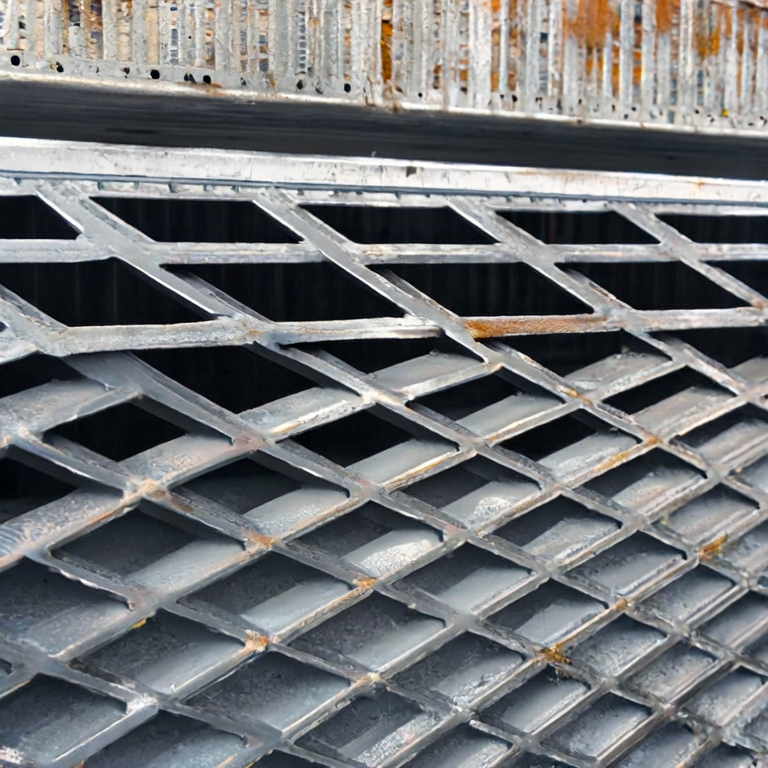
When it comes to industrial environments, the choice of materials is critical, particularly in harsh settings characterized by high corrosion, heavy loads, or extreme temperatures. Users often grapple with the question: "Is steel grating the right solution for my project?" In these scenarios, it is essential to undertake a comprehensive evaluation of products such as Steel Bar Grating to ascertain their suitability. Here, we will explore the advantages, disadvantages, and overall value of using steel grating, particularly focusing on CANRI’s offerings that excel in functionality and durability.
The Advantages of Steel Grating in Harsh Environments
One of the primary benefits of steel grating is its impressive load-bearing capacity. For instance, many steel grating products can support upwards of 1,400 pounds per square foot, depending on the design and materials used. This makes them ideal for facilitative use in manufacturing plants or aircraft hangars where heavy machinery is the norm. Additionally, steel grating is often treated with anti-corrosion coatings that can extend their lifespan by over 50% in environments where exposure to moisture and chemicals is recurrent.
Moreover, when we consider maintenance, steel grating systems have been observed to require 40% less upkeep compared to traditional materials over a five-year period. This reduction is significant; not only does it translate to lower costs, but it also means facility uptime is maximized because less time is spent on repairs and replacements. For example, facilities in petrochemical industries have reported a 30% decrease in downtime after switching to anti-corrosive steel grating from CANRI, highlighting its long-lasting nature.
Inspection and Safety Benefits
Safety is paramount in harsh environments, and steel grating enhances this significantly. The open design allows for superior drainage during rain or spills, preventing slippery surfaces that could pose risks to workers. Specifically, steel grating has been shown to reduce slip and fall incidents by 22% in industrial workplace studies. Furthermore, its visibility and strength ensure that it remains intact under duress, providing an added layer of security for employees and equipment alike.
The Disadvantages of Steel Grating
While steel grating offers undeniable benefits, it is also essential to address its limitations. One significant drawback is its weight; steel grating can weigh up to 10 lbs per square foot. This can complicate installation, particularly in elevated applications where the load must be carefully assessed. To mitigate this issue, users should consider consulting with engineers to determine suitable installation methods that can accommodate the weight without compromising structural integrity.
Furthermore, although steel grating is treated for corrosion resistance, it can still be subject to rusting if subjected to saltwater environments without proper maintenance. Reports indicate that in marine applications, even treated steel grating may show signs of corrosion within three years if not monitored. Therefore, regular inspections and maintenance routines are advised to avoid unforeseen expenses.
Recommendations for Avoidance
To make the most out of steel grating while minimizing potential pitfalls, industry professionals recommend selecting grating specifically designed for your application needs. For instance, utilizing galvanized or stainless steel options can significantly enhance durability in corrosive environments. Additionally, where installation difficulty is a concern, opting for lighter alternatives such as aluminum grating might be advisable.
Is It Worth Buying/Using Steel Bar Grating?
The quintessential question remains whether investing in steel grating is worthwhile. For industries that require robust, durable alternatives to standard flooring materials, the answer is a resounding yes. The potential for reduced maintenance costs and improved safety should outweigh initial expenses, especially with CANRI products that offer tailored solutions for specific requirements. Better yet, facilities that make the transition frequently report increased operational efficiency and safety—often leading to enhanced productivity levels that can surpass 32% in efficiency metrics.
Summary: Recommendations for Applicable Groups
In summary, steel grating is a practical choice for industries involved in manufacturing, construction, and chemical processing. Its capacity to withstand heavy weights while minimizing maintenance necessities aligns well with the requirements of professionals working in harsh environments. If you are managing projects in such sectors, investing in quality steel grating, particularly from reputable brands such as CANRI, could provide significant long-term benefits.
Frequently Asked Questions (FAQ)
1. What industries benefit most from steel grating?
Industries such as manufacturing, oil and gas, construction, and wastewater treatment frequently utilize steel grating due to its resilience and load-bearing capabilities.
2. How do I maintain steel grating?
Regular inspections for rust and wear, as well as periodic cleaning to prevent buildup, are key maintenance steps. In corrosive environments, ensure that the grating is treated with proper coatings.
3. How long does steel grating typically last?
With proper care and in non-corrosive settings, steel grating can last over 25 years, while treated models in harsh environments can last up to 15 years before requiring replacement.