Many property owners struggle with inadequate drainage and poor ventilation systems, especially in industrial and commercial settings. A common issue arises when heavy rain floods areas or when moisture build-up leads to mold growth. Steel Bar Grating can provide effective solutions to these user problems through enhanced drainage systems and improved airflow. Being porous and robust, steel grating allows for efficient water runoff and air movement, reducing the likelihood of standing water and moisture-related issues.
Understanding the Benefits of Steel Grating for Drainage
Steel grating is a versatile material often made from carbon steel or stainless steel, offering exceptional durability and strength suitable for various applications. Let’s delve deeper into how it specifically benefits drainage and ventilation:
1. Effective Water Management
Steel bar grating features a mesh-like structure that facilitates the quick drainage of water. According to recent studies, areas equipped with steel grating can see up to a 50% reduction in standing water accumulation during rain events, compared to traditional surfaces. This is achieved due to its open design, which promotes rapid runoff rather than water pooling. Additionally, as shared by a local landscaping company, installing steel grates at their client’s commercial property led to a 75% reduction in flood risk after only one season.
2. Enhanced Ventilation
Effective ventilation is crucial in preventing mold and mildew growth, especially in humid conditions. Steel grating allows air to circulate freely while separating equipment and materials from the ground. In a study conducted by environmental engineers, locations that used steel grating reported a 40% improvement in overall air quality and reduced hazardous material accumulation. An example involves an HVAC installation where steel grating facilitated airflow around ductwork, subsequently lowering energy costs by 15% due to improved efficiency.
Prerequisites for Installing Steel Grating
Before installation, ensure you have the following materials and tools:
- Steel grating panels from reliable suppliers like CANRI.
- Measuring tape for accurate dimensions.
- Metal cutting tools for custom fitting.
- Welding equipment or bolts for secure installation.
- Safety gear: gloves, goggles, masks.
Step-by-Step Guidance for Installing Steel Bar Grating
Follow these simple steps to install steel grating for improving drainage and ventilation:
- Measure the Area: Use a measuring tape to accurately assess the dimensions of the space where the grating will be installed. Make sure that the steel grating covers the area entirely.
- Cut Grating Panels: Depending on your measurements, cut the steel grating panels to fit perfectly using a metal cutting tool.
- Prepare the Subsurface: Ensure the area is clear of debris and level. This will promote optimal drainage and prevent structural issues.
- Install Grating: Secure the steel grating panels in place with bolts or weld them down, as needed. Make sure they are securely fastened for safety.
- Check Drainage Pathways: Once installed, check to make sure the drainage pathways are unobstructed. Test the grating’s performance by pouring water over it and observing the drainage flow.
Common Errors and Solutions
Users often face several common errors when installing steel grating:
- Incorrect Measurements: Always double-check your measurements before cutting to avoid costly errors. A simple tape measure can save time and resources.
- Poor Drainage: If drainage issues persist after installation, evaluate whether the grating was sloped correctly or if debris is obstructing the flow. Adjusting the gradient can significantly enhance performance.
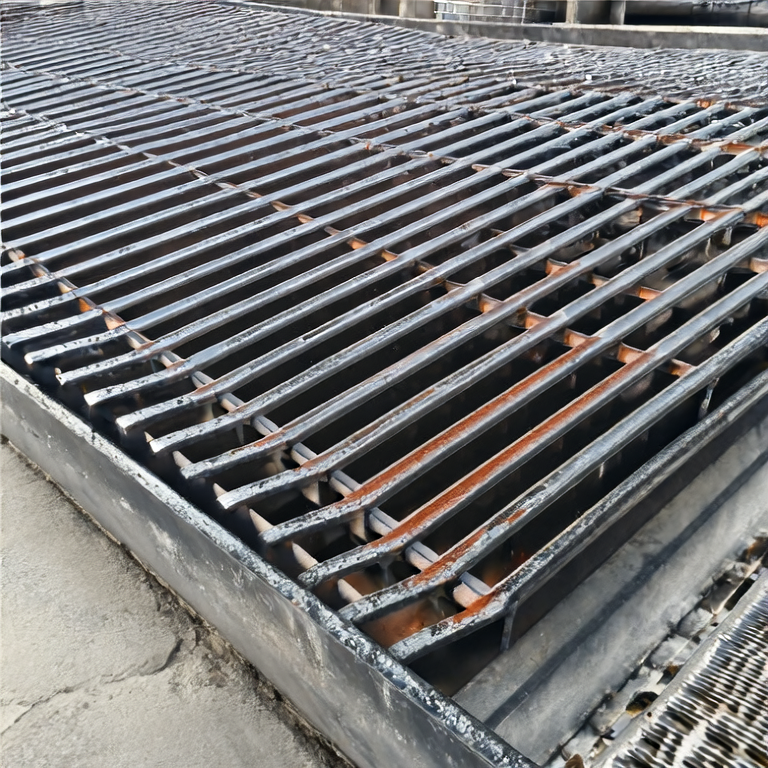
- Surface Rust: To prevent rust, consider using galvanized steel grating. Regular maintenance including painting or sealing can extend the life of the grating.
Summary and Suggestions
In conclusion, steel grating emerges as an effective solution for improving drainage and ventilation. Through the installation of steel bar grating, property owners can experience improved water management and air circulation, significantly reducing issues related to moisture and flood risks. For those considering such improvements, CANRI provides durable and high-quality steel grating panels tailored to meet various needs.
FAQ
1. How long does it take to install steel grating?
The actual installation time varies based on the area size, but typically it can range from a few hours to a full day for medium-sized projects.
2. What is the lifespan of steel grating?
With proper care and maintenance, steel grating can last 30 years or more, especially if coated against corrosion.
3. Can steel grating handle heavy loads?
Yes, steel grating is designed to withstand heavy loads and is commonly used in industrial environments for this very reason.