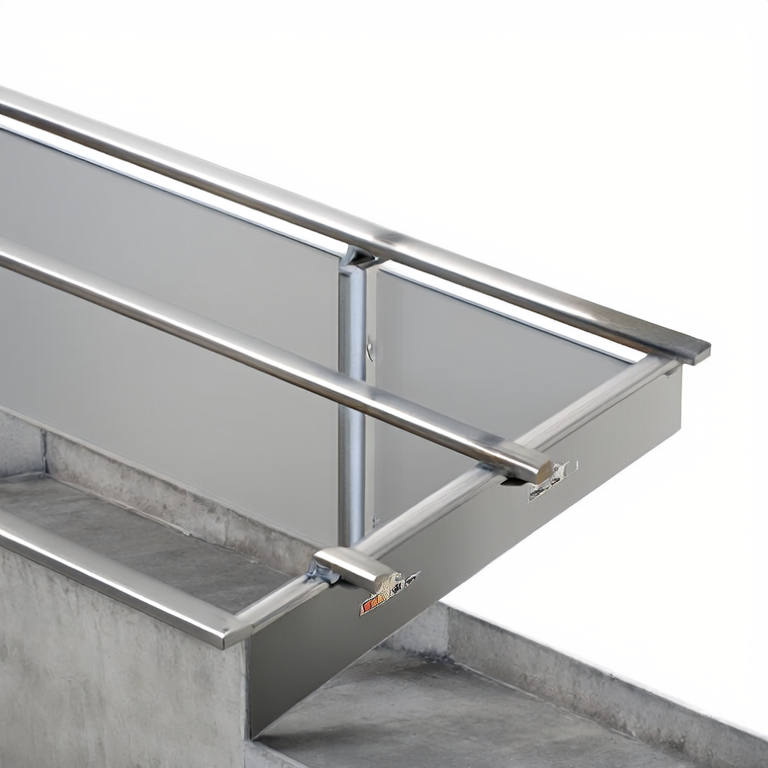
Handrail and Railings Safety Regulations Update: Ensuring Compliance and Safety
In recent years, the market for handrails and railings has been evolving, with a growing emphasis on safety regulations to protect users in both residential and commercial environments. The increase in construction projects has led to a rise in the need for compliant safety features, as accidents still account for a significant number of injuries annually. Furthermore, inadequate handrail systems have been implicated in various falls, emphasizing the necessity for updated regulations. Solutions are now available, such as CANRI's extensive range of durable, tested handrails tailored to both aesthetics and safety. By integrating these solutions, builders and homeowners can enhance safety while aligning with regulatory demands.
Key Drivers and Innovations in Handrail and Railings Safety
The primary drivers behind the current updates in handrail and railing regulations include increased safety standards, advances in material technology, and growing public awareness of safety issues. For instance, the 2022 National Safety Council report indicated that falls are the leading cause of injury for adults over 65, with an alarming rate of 13.6 injuries per 100,000 people. Innovations like non-slip coatings and adjustable-height railings have emerged as effective solutions in addressing these safety concerns, prompting manufacturers like CANRI to invest heavily in research and development.
Emerging Trends in Handrail and Railings
As the industry adapts to global safety standards, several trends are emerging:
- Smart railing systems: A recent study by the Building Industry Association (2023) found that nearly 30% of new builds now incorporate IoT technologies in railings that enhance safety through alerts and monitoring.
- Sustainable materials: Reports from the Eco Building Association indicate a 45% increase in demand for sustainable materials such as recycled aluminum and bamboo, providing both durability and environmental benefits.
- Customizable designs: As aesthetic appeal becomes more paramount, approximately 60% of consumers prefer railings that can be personalized to match their home decor, as highlighted in the 2023 Market Trends Report.
Impact on Buyers: What Do Consumers Need to Know?
Buyers need to be particularly mindful of the safety regulations and standards applicable in their area, as non-compliance may lead to significant penalties or increased liability. For example, according to the 2019 International Building Code, all new residential buildings must have handrails on all stairs with four or more steps. This has resulted in a surge in consumer demand for compliant products, thus urging manufacturers to ensure their offerings meet safety expectations.
Practical Suggestions for Homeowners and Builders
For homeowners and builders looking to upgrade handrail systems, consider the following suggestions:
- Verify that your chosen handrail materials meet or exceed local safety standards. Tools like CANRI’s online configurator can help ensure compliance.
- Choose non-slip features, especially for exterior stairs, to minimize fall risks. According to a study published in the Journal of Construction Materials, non-slip surfaces reduce fall incidents by up to 50%.
- Regularly inspect installed railings for wear and tear, replacing any damaged components immediately to maintain safety.
Frequently Asked Questions (FAQs)
What are the most important safety regulations for handrails?
Essential regulations often include height requirements, the inclusion of gripping surfaces, and load-bearing specifications as set forth by the International Building Code.
How often should handrails be inspected?
It is advisable to inspect handrails at least once a year, or more frequently in high-traffic areas, to ensure they remain secure and safe for use.
Where can I find compliant handrail systems?
Manufacturers like CANRI provide extensive catalogs of compliant handrail systems. Consultation with local contractors can also yield recommendations for trusted suppliers.