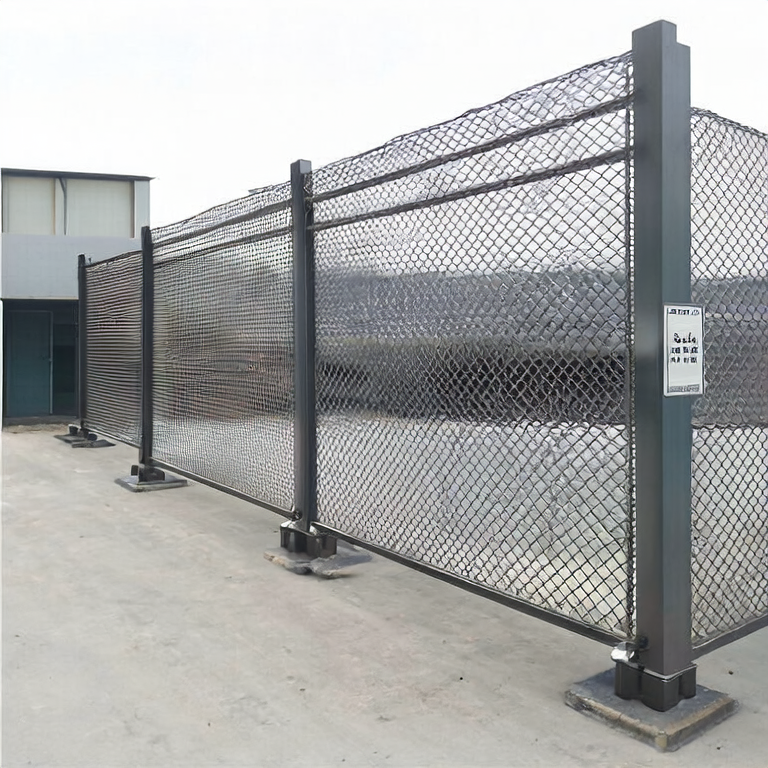
Choosing the right industrial fencing can be a daunting task, especially for business owners and facility managers looking to secure their properties effectively. This guide is tailored for facility managers, property developers, and security professionals facing the critical challenges of safeguarding their assets, preventing unauthorized entry, and enhancing overall safety. Industrial fences are not just barriers; they represent a strategic choice that impacts operational security, compliance, and even aesthetics. With an estimated 60% of businesses experiencing security breaches due to inadequate fencing, understanding different industrial fence types is crucial for anyone responsible for property safety.
Basic Knowledge: Understanding Industrial Fencing Terminology
Before diving into the selection process, it's vital to familiarize yourself with key terminology. Here are some essential terms:
- Security Fencing: A type of fencing designed specifically to protect property and deter intruders.
- Perimeter Barrier: The outermost boundary of land typically secured by various fencing options.
- Chain-Link Fencing: A popular, cost-effective option made from galvanized or coated steel wires.
The principle of selecting the right type of industrial fence revolves around understanding the specific needs of your property, the level of security required, and compliance with local regulations.
In-Depth Guide: Steps to Select the Right Industrial Fence
Step 1: Assess Your Security Requirements
Begin by conducting a security audit of your property. Evaluate vulnerability factors, including the value of assets to be protected, the history of security breaches in the area, and the level of access required for employees. A recent study indicates that businesses using secure fencing report a 45% reduction in theft-related incidents.
Step 2: Determine the Fence Type
Choose from several industrial fencing types based on your analysis. The main types include:
- Chain-Link Fencing: Suitable for low-security needs, with heights typically ranging from 4 to 12 feet.
- Barbed Wire Fencing: Ideal for high-security areas, often adding a layer of deterrence.
- Electric Fencing: Highly effective for maximum security, providing an electric shock when tampered with.
Data indicates that the installation of electric fencing can deter up to 90% of potential intruders.
Step 3: Measure Your Property
Calculating the total length of fencing needed is crucial. Use a measuring tool to outline the perimeter. Consider any obstacles like trees or buildings that might affect the fence installation. It is common to find discrepancies of up to 15% in fence length estimates if not measured accurately.
Step 4: Review Local Regulations
Check local zoning laws and regulations to ensure compliance. Failure to adhere to these can lead to fines or the requirement to remove improperly installed fencing. About 20% of industrial property managers encounter compliance issues, highlighting the importance of this step.
Step 5: Choose the Right Materials
Material selection impacts durability and maintenance. Common materials include:
- Galvanized Steel: Offers a lifespan of up to 20 years with proper maintenance.
- Aluminum: Lightweight and corrosion-resistant; ideal for coastal areas.
- Wood: Provides aesthetic appeal but requires more frequent maintenance.
Step 6: Installation Considerations
Installing the fence can be done in-house or by hiring professionals. Based on industry standards, professional installation can reduce time by up to 40%, particularly for large-scale projects. It's recommended to seek teams experienced with specific types of security fencing to ensure optimal results.
FAQ: Common Questions About Selecting Industrial Fencing
Q: What is the average cost of industrial fencing?
A: Costs generally range from $10 to $30 per linear foot, depending on materials and installation methods.
Q: How can I maintain my industrial fence?
A: Regular inspections and maintenance can extend the life of your fence, lowering costs in the long term.
Q: Are there financing options for businesses?
A: Many suppliers offer financing plans to assist companies in making necessary investments in security.
Advanced Skills or Extended Reading
If you're looking to enhance your knowledge further, consider reading industry reports from the American Fencing Association (AFA) or attending workshops focused on the latest advancements in security fencing technology. Networking with professionals via platforms like LinkedIn can provide valuable insights into best practices and emerging trends.
Conclusion: Recommended Products and Services
When selecting industrial fencing for your property, brands like CANRI offer a range of products designed for various security levels and aesthetic preferences. You can contact CANRI for customized solutions tailored to your specific needs. Remember, the right choice not only improves security but can also enhance the overall functionality of your facility.