The fabrication of other metal works encompasses a wide array of processes used to create various metallic structures and objects. This guide aims to provide insights and actionable steps for individuals seeking to engage in metal fabrication effectively. This includes techniques from welding and machining to finishing and assembly, ensuring a comprehensive understanding for beginners and seasoned fabricators alike.
Understanding Other Metal Works
Other metal works refer to the various processes involved in the shaping, assembling, and finishing of metals beyond traditional fabrication methods. This includes advanced techniques tailored for specific applications, often leveraging specialized tools and machinery.
1. Types of Metal Works
- Welding and Joining Techniques:
- Arc Welding
- MIG Welding
- TIG Welding
- Spot Welding
- Alternative Joining Methods
- Machining Processes:
- Turning
- Milling
- Drilling
- Grinding
- Sheet Metal Fabrication:
2. Essential Tools and Equipment
- Welding Equipment:
- Welding Machines
- Protective Gear
- Machining Tools:
- Safety Equipment:
- Gloves
- Safety Glasses
- Respirators
3. Basic Steps for Metal Fabrication
- Step 1: Design and Planning
Develop CAD drawings for precise layouts.
- Step 2: Material Selection
Choose the right metal based on strength, weight, corrosion resistance, and cost.
- Step 3: Cutting and Shaping
Utilize shears, lasers, or plasma cutters for initial size and shape.
- Step 4: Assembly
Weld or mechanically join various parts together following your design.
- Step 5: Finishing
Sand, paint, or apply coatings for protection and aesthetics.
- Step 6: Quality Control
Inspect all welds and joints to ensure no defects are present.
4. Safety Considerations
Metal fabrication can be dangerous. Always prioritize safety by wearing protective gear, ensuring adequate ventilation, and being aware of the operation of all machinery. Refer to OSHA guidelines for specific safety standards related to metalworks (osha.gov).
5. Common Applications of Other Metal Works
- Construction Structures
- Automotive Parts
- Aerospace Components
- Custom Metal Artwork
6. Resources for Further Learning
- Books: Refer to titles like "Metalworking: Doing It All" by Tom McNulty.
- Online Courses: Platforms such as Coursera and Udemy offer courses on metal fabrication.
- Industry Associations: Consider joining organizations like the Fabricators & Manufacturers Association for networking and resources.
Key Techniques and Innovations in Metal Fabrication
Staying current with the latest advancements in metalworking technologies is essential. Techniques such as additive manufacturing (AM), also known as 3D printing for metals, and CNC (computer numerical control) machining have revolutionized how we approach metal fabrication today. These technologies not only improve efficiency but also open new possibilities for design and customization.
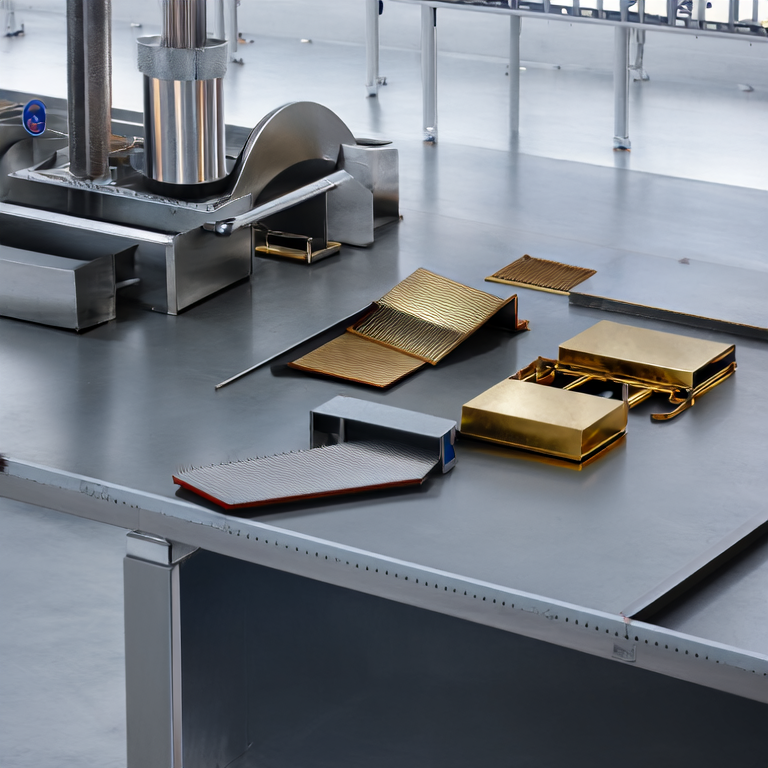
In conclusion, mastering the art of fabricating other metal works involves understanding the processes, tools, and safety measures necessary to create quality metal products. Utilize the outlined steps, and resources to enhance your skills and knowledge in this versatile field.