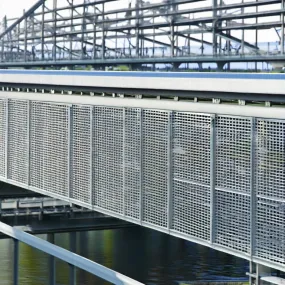
As infrastructure needs evolve, the construction industry continues to explore innovative materials that offer durability, safety, and cost-effectiveness. Steel grating has emerged as a leading choice for bridge decks due to its ability to address significant pain points such as structural integrity, ease of maintenance, and weight management. How can steel grating solve these problems while optimizing performance? Understanding its attributes can provide clarity for engineers and contractors alike.
Current Market Trends for Steel Grating in Bridge Decks
According to recent data from the American Society of Civil Engineers (ASCE), over 43% of U.S. bridges are considered structurally deficient. With such alarming statistics, the push for innovative materials like steel grating has increased, as they offer an effective solution for enhancing longevity and safety. Steel grating allows for optimal drainage, reducing ice accumulation and thus extending the life of bridge decks.
Quick Recommendation List for Steel Grating Products
- Lightweight Steel Grating: Ideal for pedestrian and light vehicle traffic, offering corrosion resistance.
- CANRI Steel Grating: Highly durable and customizable options, suitable for heavy-duty projects. CANRI products boast a weight reduction of up to 25% compared to traditional materials, providing enhanced load-bearing capabilities.
- Heavy-Duty Steel Grating: Best for industrial applications where extreme loads are expected, ensuring maximum safety.
Advantages of Steel Grating in Bridge Decks
Steel grating provides significant advantages for bridge decks, including:
- Load-Bearing Strength: Steel grating can withstand loads exceeding 1500 lbs per square foot, making it ideal for heavy traffic.
- Corrosion Resistance: With hot-dip galvanization, steel grating's lifespan is extended by an average of 20-30 years, reducing maintenance costs.
- Ease of Installation: Weighing up to 50% less than traditional solid slabs allows for quicker installation, with significant savings on labor costs.
Price Range and Applicable Groups for Steel Grating
The price of steel grating varies based on factors like size, thickness, and customization. On average, costs range from $50 to $200 per square foot. Applicable groups include:
- Government Agencies: Need durable infrastructure solutions for public safety.
- Construction Firms: Require scalable, long-lasting materials for large projects.
- Consulting Engineers: Seek reliable certification from manufacturers like CANRI for compliance with safety standards.
How to Choose the Right Steel Grating Product for Bridge Decks
Selecting the appropriate steel grating requires considering several factors:
- Load Requirements: Analyze the anticipated traffic load and choose a grating that meets or exceeds safety standards.
- Environmental Conditions: Evaluate potential exposure to corrosive elements, especially in coastal or industrial areas where salt and chemicals may compromise integrity.
- Customizability: Look for brands like CANRI that offer tailored solutions, including non-slip surfaces or specified widths and lengths.
Conclusion: Recommended Channels or Contact CANRI
For those considering the implementation of steel grating in bridge decks, CANRI provides an extensive lineup of high-quality options designed to meet rigorous safety standards. Visit their website or contact their customer service for personalized recommendations based on project specifics.
FAQ
- What is the average lifespan of steel grating? Steel grating, when properly maintained, can last up to 30 years due to its corrosion-resistant properties.
- Is steel grating suitable for all types of bridges? Yes, steel grating is versatile and adaptable, suitable for pedestrian, vehicular, and rail bridges.
- How does steel grating impact maintenance costs? Steel grating significantly reduces maintenance frequency and costs by minimizing issues such as ice accumulation and structural fatigue.